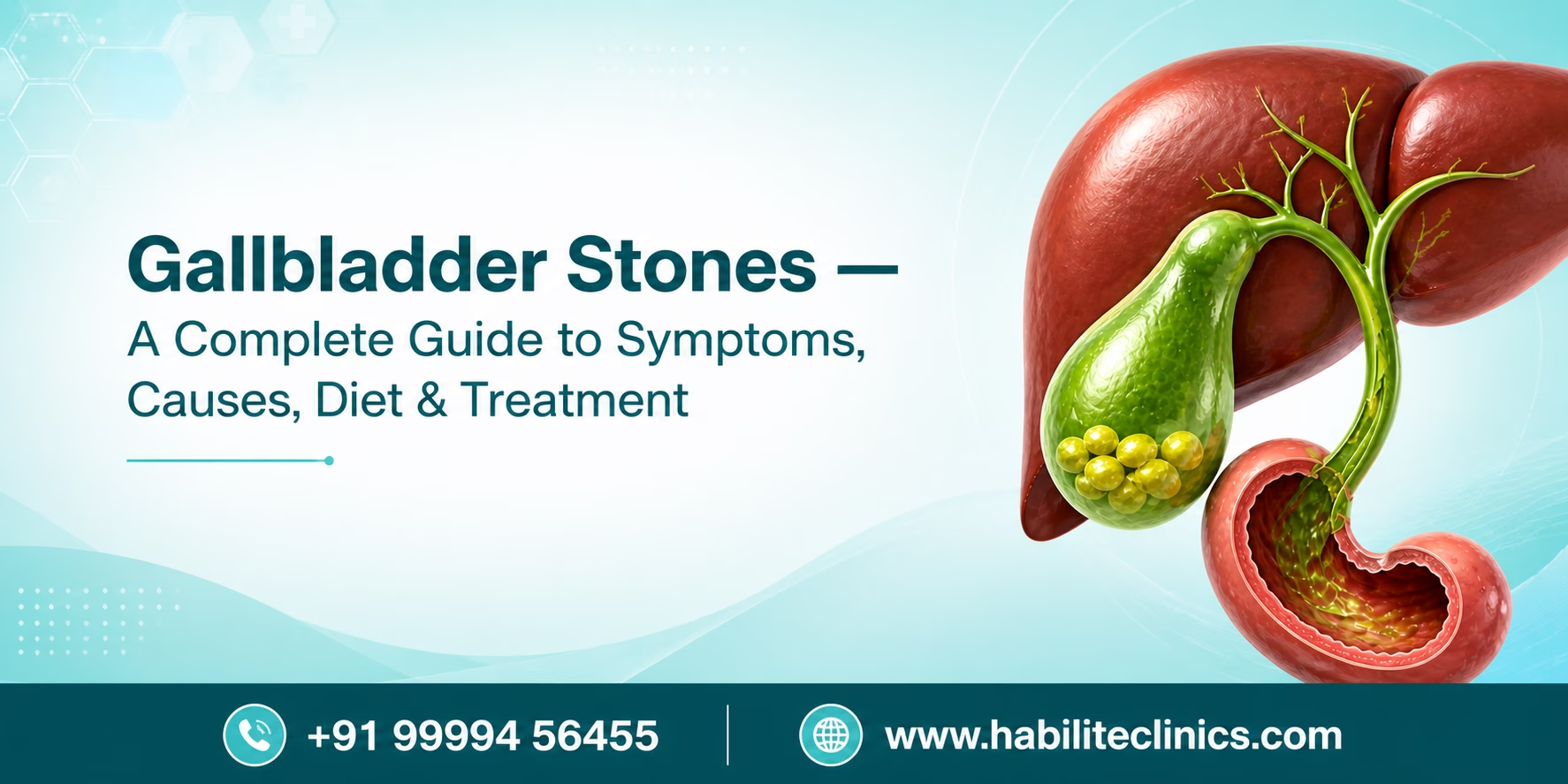
Gallbladder Stones — A Complete Guide to Symptoms, Causes, Diet & Treatment

Medically reviewed by Dr. Kapil Agrawal
MBBS, MS (Surgery), MRCS (London), MMed (Singapore)
Senior Consultant Surgeon, Apollo Hospitals, Delhi NCR
23+ years of experience | 7,000+ gallbladder surgeries performed
Expert in advanced laparoscopic and robotic gallbladder surgery with evidence-based, patient-first care.
Last updated: 14 July 2026
What Is the Gallbladder and What Does It Do?
The gallbladder is a small, pear-shaped organ that sits just below the liver on the right side of your abdomen. Its primary job is to store bile — a digestive fluid produced by the liver that helps your body break down fats from the food you eat.
When you eat a meal, especially one that contains fats, your gallbladder contracts and releases bile through a tube called the bile duct into the small intestine. There, bile breaks fats into smaller droplets so your body can absorb them along with essential fat-soluble vitamins like A, D, E, and K.
Most people never think about their gallbladder until something goes wrong. But when bile composition changes — too much cholesterol, too much bilirubin, or not enough bile salts — the gallbladder can develop hard deposits called gallbladder stones (also called gallstones or cholelithiasis). These stones are one of the most common digestive problems worldwide, and they are particularly prevalent in India.
Types of Gallstones
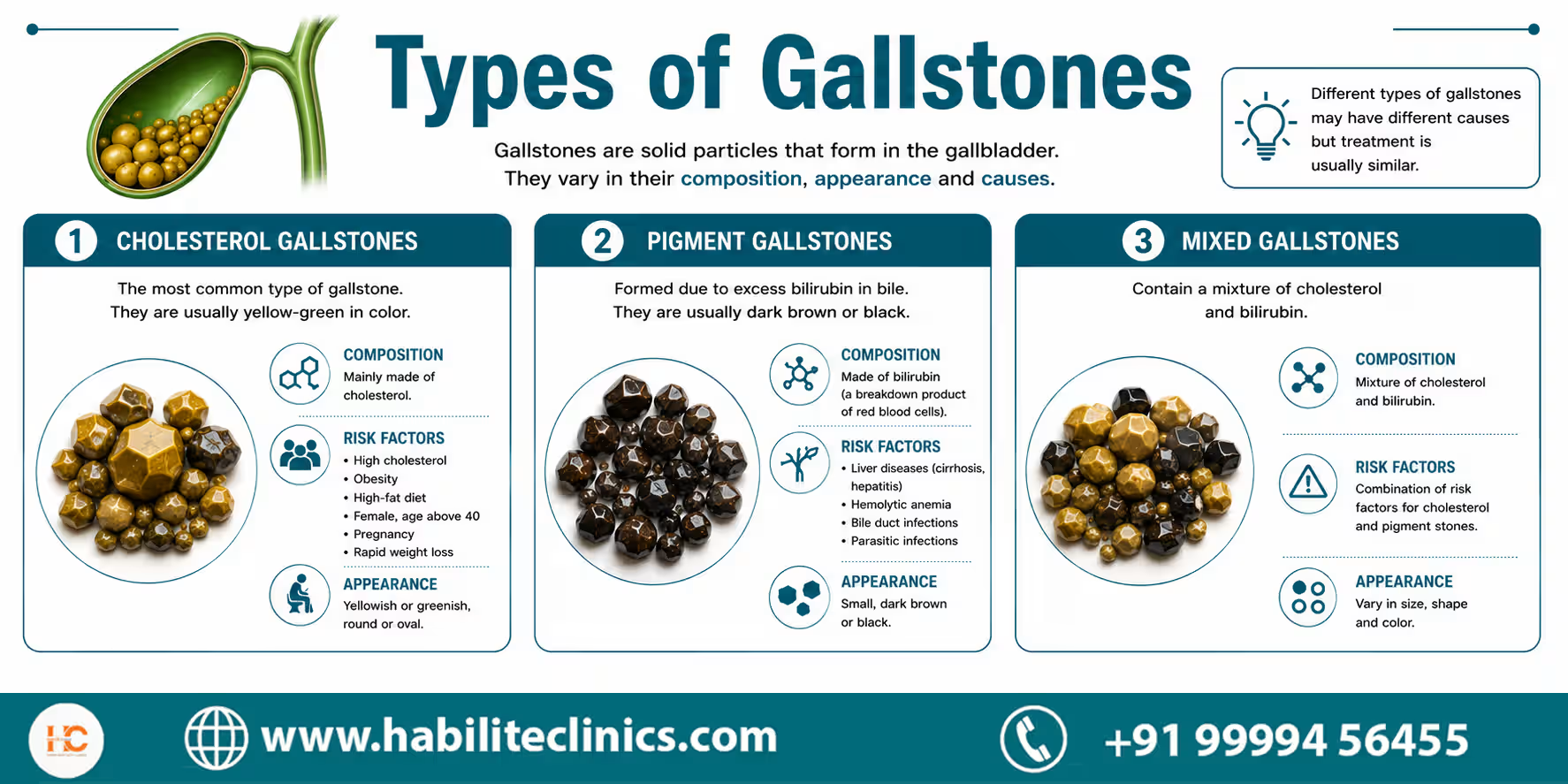
Understanding the type of gallstone you have helps your surgeon plan the most appropriate treatment. There are three main types:
Cholesterol Gallstones
These are the most common type, accounting for roughly 80% of all gallstones. They are usually yellowish-green in colour and form when bile contains more cholesterol than it can dissolve. Cholesterol gallstones are strongly linked to diet, obesity, and metabolic factors.
Pigment Gallstones
Pigment gallstones are smaller and darker — usually dark brown or black. They form when bile contains too much bilirubin, a substance produced when the body breaks down old red blood cells. People with liver disease, blood disorders like sickle cell anaemia, or frequent bile duct infections are more likely to develop pigment stones.
Mixed Gallstones
As the name suggests, mixed gallstones contain both cholesterol and pigment components. These are common in the Indian population and may be linked to the combination of dietary habits and underlying metabolic conditions.
Symptoms of Gallbladder Stones
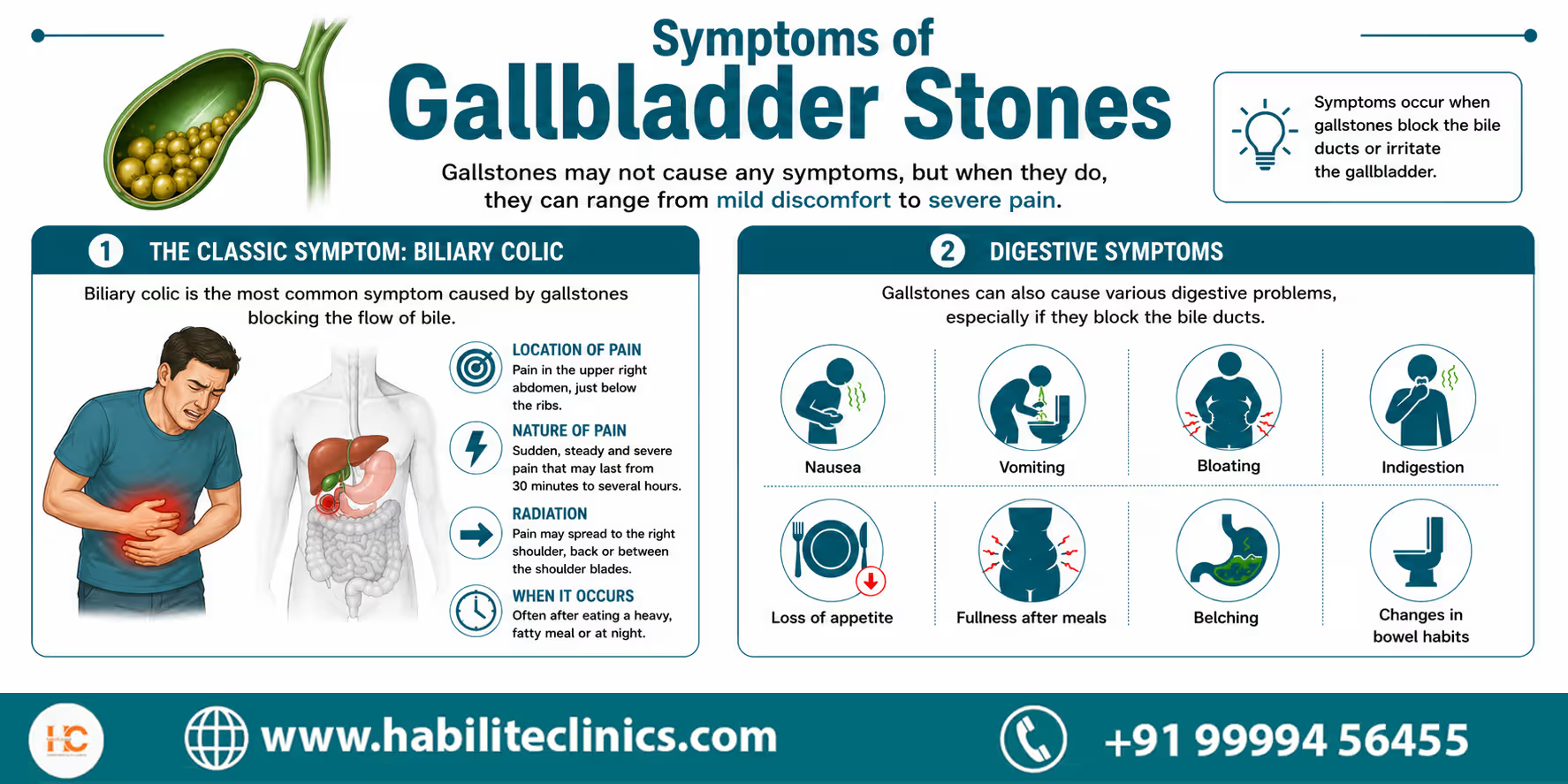
Many people carry gallstones for years without any symptoms. These are called silent gallstones, and they usually do not require treatment. However, when a stone shifts and blocks the cystic duct or the bile duct, symptoms can appear suddenly and intensely.
The Classic Symptom: Biliary Colic
The hallmark of gallbladder stone symptoms is a sudden, sharp pain in the upper right side of the abdomen, just below the rib cage. This pain often starts after eating a heavy or oily meal and can last anywhere from 30 minutes to several hours. Many patients describe it as a gripping or squeezing sensation that radiates to the right shoulder blade or the centre of the back.
Digestive Symptoms
Persistent bloating, excessive gas, heartburn, and a heavy feeling after meals — especially after eating fried or fatty food — are common with gallstones. These symptoms are often mistaken for acidity or indigestion, which delays diagnosis.
Do You Have Gallbladder Stones? Take This 30-Second Self-Check
Tick all the symptoms that apply to you. If two or more are true, it's time to speak with our gallbladder care team.
Pain on right side of upper stomach?
Pain after oily/spicy meals?
Nausea or vomiting?
Bloating or indigestion?
Back or shoulder pain?
Fever with pain?
Pain lasting more than 30–60 minutes?
Need Immediate Support?
👉 Share your symptoms for a personalised review.
Dr. Kapil Agrawal's gallbladder team will study your responses and our team will reach out to you soon.
Prefer email? contact@habiliteclinics.com
How Are Gallstones Diagnosed?
If your doctor suspects gallstones based on your symptoms, they will typically recommend one or more of the following tests:
Abdominal Ultrasound
This is the first and most common test for gallstones in India. It is painless, non-invasive, and highly accurate for detecting stones inside the gallbladder. The ultrasound also reveals important details like gallbladder wall thickening (a sign of chronic inflammation), the number and size of stones, the presence of sludge, and whether the common bile duct (CBD) is dilated.
Blood Tests
A set of blood tests including liver function tests (LFT), complete blood count (CBC), and pancreatic enzymes (amylase, lipase) help assess whether the stones are causing complications like infection, bile duct obstruction, or pancreatitis.
MRCP (Magnetic Resonance Cholangiopancreatography)
If your doctor suspects that stones have slipped from the gallbladder into the bile duct, an MRCP provides a detailed non-invasive image of the entire biliary system. This test is particularly useful before planning surgery in complex cases.
CT Scan
A CT scan may be ordered in certain situations — particularly to rule out complications like gallbladder perforation, abscess, or to evaluate the pancreas if pancreatitis is suspected.
HIDA Scan (Hepatobiliary Iminodiacetic Acid Scan)
This functional test evaluates how well the gallbladder contracts and empties. It is used when symptoms are present but ultrasound does not show stones — a condition called biliary dyskinesia.
Confused About Your Gallbladder Ultrasound Report? We’ll Explain It Clearly.
Upload your ultrasound report and receive a plain-English explanation of every finding from our medical team.
Upload Your Ultrasound Report for Explanation
PDF / JPG / PNG (max 5 MB). Share your report on WhatsApp and our team will explain every finding in plain English.
👉 Tap below to open chat with our team. Attach your report (📎) and send.
Share Report on WhatsAppNeed help? WhatsApp us at +91 99994 56455
What we decode for you
Every term in your ultrasound can change the treatment plan. Here’s what we interpret and explain in simple language.
- Sludge vs. thick bile
- Wall thickening = chronic inflammation
- Calculi size & number
- Impacted stones needing urgent removal
- CBD dilation signalling duct blockage
- Polyps & when they need removal
- Multiple stones & repeated pain
- Small polyps that still need monitoring
- When stones become risky
- When surgery cannot wait
Gallbladder Stone Treatment Options
The right treatment for gallbladder stones depends on whether they are causing symptoms, the size and number of stones, and whether complications have developed. Here is an honest overview of every treatment approach:
1. Watchful Waiting (For Silent Gallstones)
If your gallstones were discovered incidentally — during a routine health check-up or an ultrasound done for another reason — and you have no symptoms, your doctor may recommend observation. This means regular ultrasound monitoring every 6–12 months, maintaining a low-fat diet, and being alert for any new symptoms. However, in India, especially North India where gallbladder cancer rates are among the highest in the world, many surgeons recommend removal even for silent stones in certain patients.
2. Medicines for Gallstones
Ursodeoxycholic acid (UDCA) is sometimes prescribed to dissolve small cholesterol gallstones. However, this approach has significant limitations: it only works on small cholesterol stones (not pigment or mixed stones), it can take 6 months to 2 years, and gallstones frequently return once the medication is stopped. For these reasons, gallbladder stone treatment without surgery through medication alone is rarely a permanent solution.
3. Laparoscopic Cholecystectomy (Gold Standard)
Laparoscopic gallbladder surgery is the most widely performed and recommended treatment for symptomatic gallstones worldwide. The surgeon makes 3–4 tiny incisions (each about 0.5–1 cm) in the abdomen, inserts a camera and specialised instruments, and removes the entire gallbladder along with the stones. The procedure typically takes 45–60 minutes. Most patients go home within 24 hours and return to desk work within 5–7 days.
4. Single-Port (SILS) Gallbladder Surgery
For patients who want the best possible cosmetic outcome, single-port surgery uses just one incision placed inside the belly button. Once healed, the scar is virtually invisible. Dr. Kapil Agrawal is among the early adopters of this technique in Delhi and has performed it extensively.
5. Robotic Gallbladder Surgery
Robotic-assisted cholecystectomy is the most advanced surgical option available. The robotic system provides a high-definition 3D view and eliminates hand tremor, making it particularly valuable in complex cases — severe inflammation, dense scar tissue, or unusual anatomy. Dr. Kapil Agrawal is one of the few surgeons in India offering robotic gallbladder surgery at Apollo Hospitals, Delhi NCR.
6. ERCP (For Bile Duct Stones)
If stones have slipped from the gallbladder into the common bile duct, an endoscopic procedure called ERCP (Endoscopic Retrograde Cholangiopancreatography) is used to locate and remove them. This is often combined with a laparoscopic cholecystectomy to address both the duct stones and the gallbladder.
Surgery Necessity Checker
Do You Need Gallbladder Surgery? Answer These 5 Questions
This framework is what we use during clinic consultations. Answer honestly to understand whether surgery is the safer path or if monitoring is possible.
Are your stones causing pain?
Has the pain repeated more than twice?
Are stones larger than 10 mm?
Is the gallbladder wall thick on ultrasound?
Is there sludge or infection noted?
Interpreting your answers:
If you answered “Yes” to two or more questions, surgery prevents repeated attacks and complications. If all answers are “No”, continue a strict diet and repeat ultrasound in 6 months.
Need confirmation?
👉 Send your report for confirmation.
We will review your ultrasound, blood reports, and symptom history, then tell you if surgery is the safest route or if you can wait.
Prefer email? contact@habiliteclinics.com
Ask the Surgeon
Have A Question About Gallbladder Problems?
Ask Dr. Kapil Agrawal directly. Share your concern, and his team will get back to you with a personalised response.
Gallbladder Diet — What to Eat and What to Avoid
Diet plays an important role both in managing gallstone symptoms before surgery and in recovering smoothly after gallbladder removal. Here is a practical, India-specific dietary guide:
Foods to Avoid With Gallstones
Fried foods (puris, pakoras, samosas, fried snacks), butter and cream-heavy gravies, full-fat dairy (paneer in cream, malai), red meat and processed meats, refined flour (maida) products like naan and pastries, sugary desserts, and aerated drinks. These foods force the gallbladder to work harder, increasing the risk of a painful attack.
Foods That Are Safe and Helpful
Steamed or lightly sauteed vegetables, dal and moong khichdi, chapati made from whole wheat, fruits (especially papaya, apple, and pear), low-fat curd, grilled or roasted chicken and fish, oats and brown rice, and plenty of water and lemon water. Eating smaller, more frequent meals instead of three large meals also reduces the load on the gallbladder.
Foods to Avoid
- Oily
- Fried
- Butter / cream
- Red meat
- Heavy dairy
Foods to Eat
- Fruits
- Vegetables
- Khichdi
- Dal
- Low-fat milk
- Lemon water
Other Gallbladder Associated Problems
Related Gallbladder Conditions
Beyond gallstones, there are other gallbladder conditions that may require expert evaluation and treatment.
CBD Stones
Expert Common Bile Duct stone treatment for bile duct blockages with advanced diagnosis, minimally invasive procedures, and faster recovery.
Gallbladder Polyps
Advanced treatment for gallbladder polyps with expert evaluation, accurate diagnosis, and minimally invasive surgical options if needed.
Diet After Gallbladder Surgery
After gallbladder surgery, your body takes a few weeks to adjust to digesting fats without a gallbladder. In the first 3 days, stick to clear liquids and easily digestible foods. From day 4 onwards, gradually introduce soft foods like dal, khichdi, steamed idli, and bananas. Most patients return to a completely normal diet within 4–6 weeks.
Complete post-surgery diet plan: Diet After Gallbladder Stone SurgeryWhat Happens If Gallstones Are Left Untreated?
Many patients delay treatment hoping their gallstones will resolve on their own. Unfortunately, gallstones do not dissolve or disappear without intervention. Leaving symptomatic gallstones untreated can lead to progressively serious complications:
Acute Cholecystitis
When a stone blocks the gallbladder outlet, the gallbladder becomes inflamed and infected. This causes severe, constant pain, fever, and can become a surgical emergency if not treated promptly.
Biliary Pancreatitis
If a small stone slips into the bile duct and blocks the pancreatic duct, it triggers inflammation of the pancreas. Pancreatitis can be life-threatening and almost always requires hospitalisation.
Cholangitis (Bile Duct Infection)
A blocked bile duct can become infected, causing high fever, jaundice, and sepsis. This is a medical emergency requiring urgent intervention.
Gallbladder Perforation and Gangrene
In severe, untreated cases, the inflamed gallbladder wall can weaken to the point of rupture. A perforated gallbladder leaks bile into the abdominal cavity, causing peritonitis — a serious, potentially fatal infection.
Read more: Can Your Gallbladder Burst? What You Need to KnowIncreased Risk of Gallbladder Cancer
Long-standing gallstones, especially large stones (over 3 cm) and porcelain gallbladder, are associated with a higher risk of gallbladder cancer. This risk is particularly relevant in North India, where gallbladder cancer rates are among the highest in the world.
The takeaway: What starts as a manageable, planned laparoscopic procedure can turn into a high-risk emergency operation if treatment is delayed. Early consultation with a specialist gallbladder surgeon is always the safer path.
Read more: Timing matters: When Is the Right Time for Gallbladder Surgery?Life After Gallbladder Removal
One of the most common concerns patients have is: “Can I live normally without my gallbladder?” The answer is a reassuring yes.
Your gallbladder is not essential for survival. After gallbladder removal, your liver continues to produce bile as before. Instead of being stored in the gallbladder, bile now flows directly and continuously from the liver into the small intestine through the bile duct. Your body adapts to this change within a few weeks.
Full guide: Life After Gallbladder RemovalWhat to Expect in the First Few Weeks
Mild discomfort and bloating, especially after eating fatty foods, is normal in the first 2–4 weeks. Some patients experience slightly loose stools — this is temporary and resolves as your digestive system adjusts.
Long-Term Outlook
The vast majority of patients eat normally, exercise freely, and live without any restrictions after recovery. The idea that you need a permanent restricted diet after gallbladder removal is largely a myth. Most patients return to eating everything — including their favourite foods — within 6–8 weeks.
Read more: Recovery tips: How to Recover After Gallbladder SurgeryPost-Cholecystectomy Syndrome
A small percentage of patients (roughly 5–10%) experience persistent digestive symptoms after surgery, such as diarrhoea, bloating, or vague abdominal discomfort. This is called post-cholecystectomy syndrome and can usually be managed with dietary adjustments and medication.
Gallstones in Special Situations
Gallstones During Pregnancy
Pregnancy increases the risk of gallstones due to elevated oestrogen levels, which slow gallbladder emptying and raise cholesterol levels in bile. Managing gallstones during pregnancy requires careful balancing of the mother’s and baby’s safety. In many cases, surgery can be safely performed during the second trimester if symptoms are severe or recurrent. Conservative management with dietary changes is preferred when possible.
Complete guide: How to Manage Gallstones During PregnancyGallstones in Children and Young Adults
While less common, gallstones are increasingly being diagnosed in younger patients — often linked to childhood obesity, haemolytic disorders like thalassaemia, or prolonged parenteral nutrition. The treatment approach is similar to adults, with laparoscopic cholecystectomy being the standard for symptomatic cases.
Gallbladder Surgery for International Patients
India has become a leading destination for affordable, world-class gallbladder surgery. International patients benefit from costs that are 70–85% lower than the US or UK, with the same advanced laparoscopic and robotic technology. Dr. Kapil Agrawal’s team at Habilite Clinics regularly supports international patients with video consultations, medical visa assistance, airport coordination, and comprehensive care packages at Apollo Hospitals, Delhi NCR.
Learn more: International Patient ServicesPeople also ask
FAQs about Gallbladder Health
Expand each question to learn the answers Dr. Kapil Agrawal shares with his patients.
What causes gallbladder stones?
What are the first symptoms of gallbladder stones?
Can gallstones go away on their own?
Is gallbladder surgery the only treatment for gallstones?
Is gallbladder surgery safe?
Can I live a normal life without my gallbladder?
How long does gallbladder surgery take?
What is the cost of gallbladder surgery in India?
Is gallbladder surgery covered by health insurance?
What should I eat after gallbladder surgery?
Can gallstones come back after surgery?
What size gallstone requires surgery?
What happens if gallstones are left untreated?
Are gallstones common during pregnancy?
What is the difference between gallbladder stones and kidney stones?
Can I get a video consultation for my gallbladder problem?
Success stories
Patients Who Trusted Dr. Kapil Agrawal
Real experiences from patients who overcame gallbladder problems with personalised care and advanced laparoscopic surgery.

Pain-free life after complex gallstone surgery
Patient shares her journey from repeated attacks to a smooth laparoscopic recovery with Dr. Kapil.

Rapid recovery and minimal scars
A working professional explains how he returned to work within days after gallbladder removal.

International patient experience
Hear how a patient travelling from abroad received seamless diagnosis, surgery, and follow-up care.
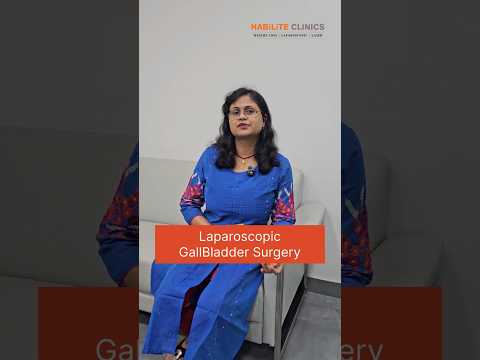
From anxiety to confidence
This success story highlights pre-op counselling, precision surgery, and post-op support.
Videos hosted on YouTube. Clicking a card opens the testimonial in a new tab.
Expert video
Gallbladder Stones: Causes, Symptoms, Risk Factors & Treatment Options
Dr. Kapil Agrawal explains why gallbladder stones form, how to recognise the warning signs early, and when surgery becomes necessary. This video covers metabolic causes, critical symptoms, and a comparison of treatment approaches.
Open Video in New Tab
Procedure video
How Gallbladder Surgery Is Done Step by Step | Complete Laparoscopic Procedure Explained
Walk through the exact steps of laparoscopic gallbladder removal, from anaesthesia and port placement to stone extraction, suturing, and discharge. Ideal for patients preparing for surgery.
Watch Procedure Video
Technology insights
Robotic vs Laparoscopic Gallbladder Stone Surgery — Which Is Better for Fast, Safe Recovery?
Dr. Kapil Agrawal compares robotic precision with advanced laparoscopy and explains how he selects the safest technique for each patient’s specific situation.
Watch Comparison VideoFeatured blogs
Additional Reading on Gallbladder Care
Dive deeper into recovery, surgery options, and financial planning with curated guides from our blog.
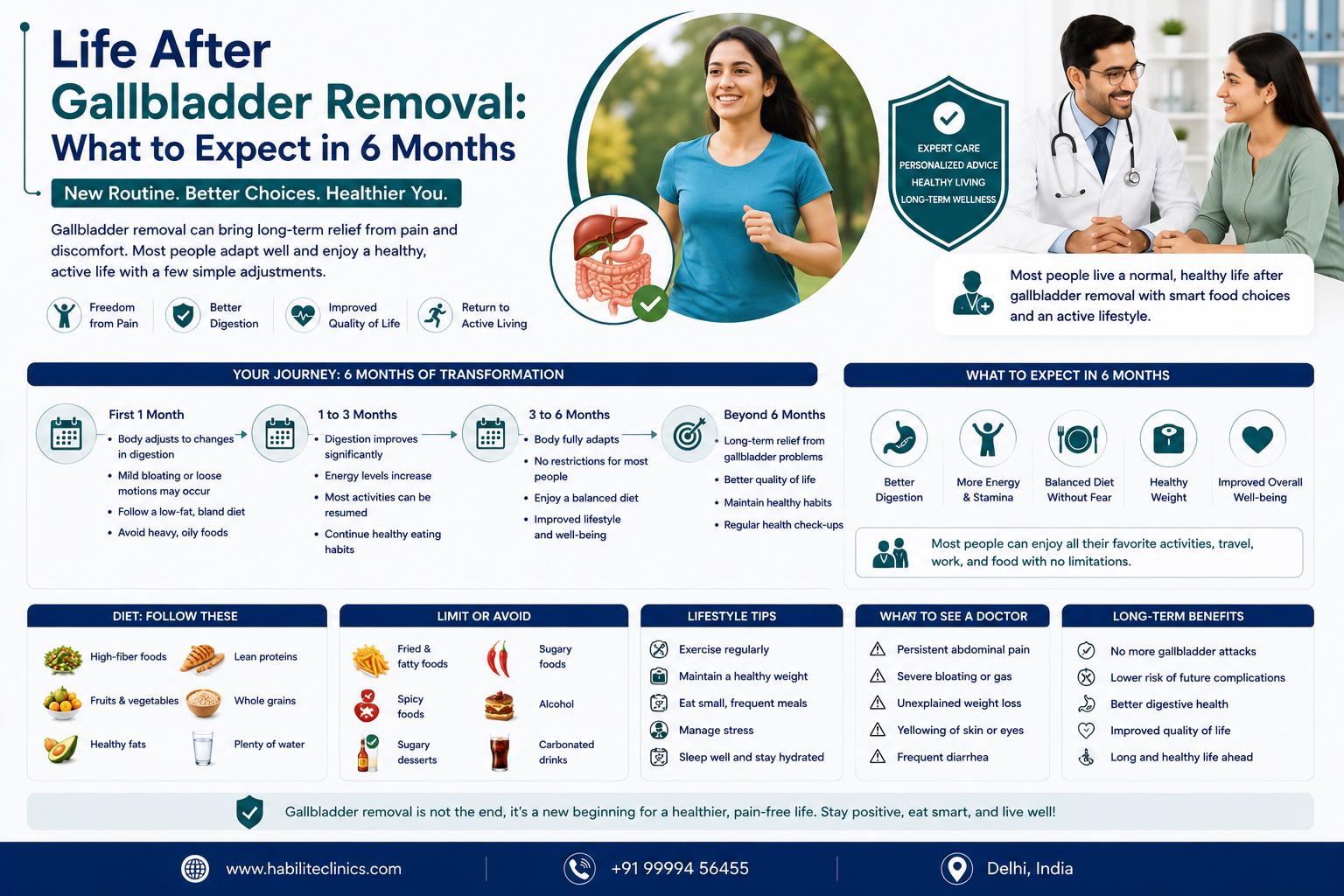
Life After Gallbladder Removal: What to Expect in 6 Months
Most people recover completely and live normal, healthy lives without a gallbladder. The success rate is over 95%. Recovery timeline: 1-2 weeks for laparoscopic surgery, 4-6 weeks for open surgery. Most patients feel 80-90% better by 3 months. Your liver continues producing bile. It just flows directly into your intestine instead of being stored in the gallbladder. The first month focuses on healing and gentle eating. Stick to small, frequent meals (5-6 times daily) with low-fat, easily digestible foods. Common temporary symptoms include bloating, gas, loose stools, and mild abdominal discomfort. These typically resolve within 2-3 months. Minimize deep-fried foods, excessive fatty meats, heavy cream-based dishes, and large meals that overwhelm digestion. Best foods for recovery: lean proteins (chicken, fish), whole grains, steamed vegetables, fresh fruits, low-fat dairy, and plenty of water. Post-Cholecystectomy Syndrome (PCS) affects 10-15% of patients but is manageable with dietary changes and medication when needed.
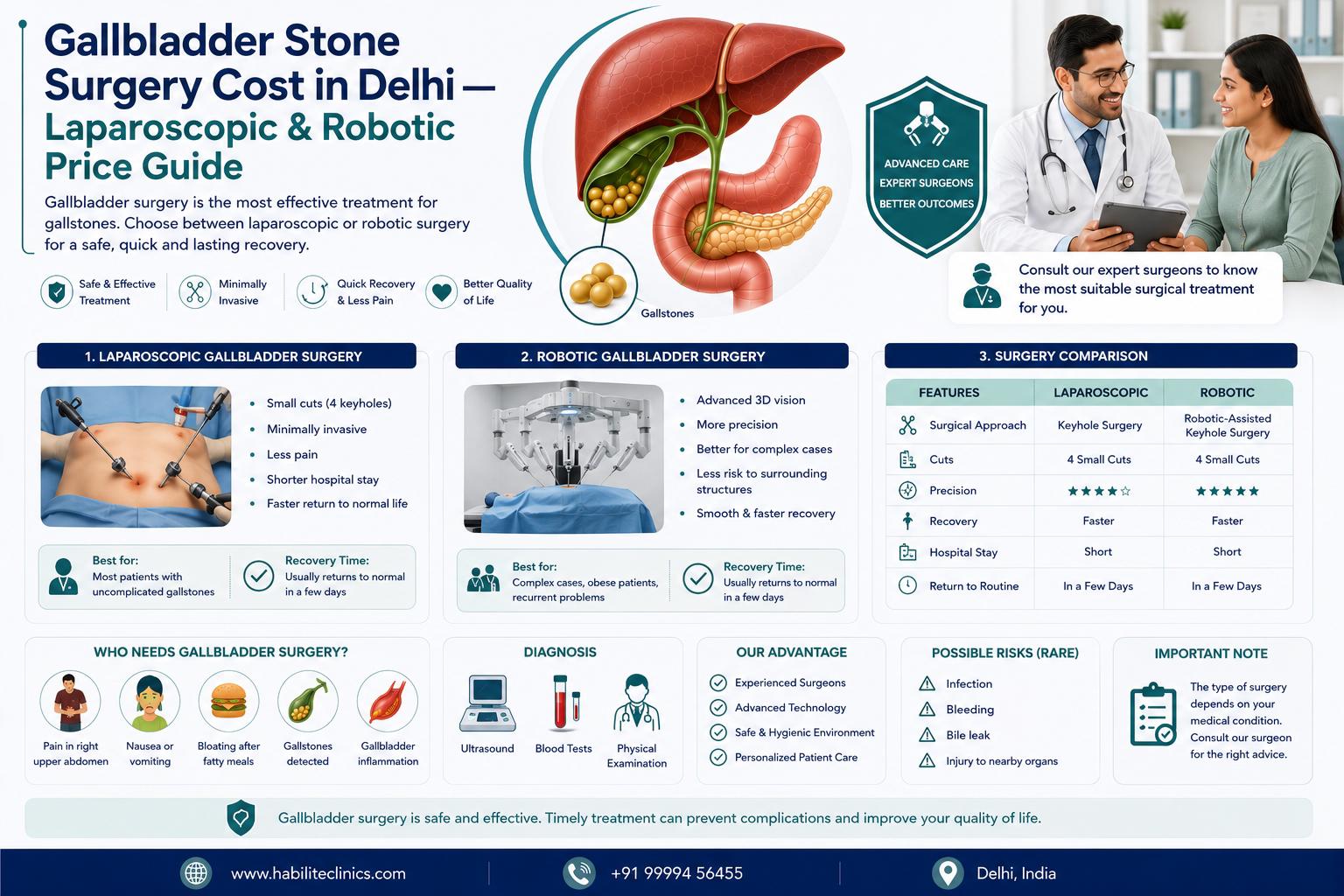
Gallbladder Stone Surgery Cost in Delhi — Laparoscopic & Robotic Price Guide
Laparoscopic gallbladder surgery is the most affordable and widely recommended option. At Habilite Clinics, laparoscopic cholecystectomy costs ₹40,000 to ₹1,10,000 in Delhi and remains the gold standard for uncomplicated gallstone cases. Robotic gallbladder surgery costs ₹2,00,000 to ₹3,50,000. The higher price reflects advanced robotic platform costs, specialized instruments, and enhanced 3D precision. Single-port (SILS) surgery costs ₹75,000 to ₹120,000. It is ideal for patients prioritizing cosmetic outcomes, as the entire procedure is performed through one hidden incision inside the navel, leaving virtually no visible scar. Five factors directly influence your final cost: Severity of gallbladder inflammation, presence of infection or complications, previous abdominal surgeries, choice of surgical technique, and hospital room category. Laser surgery for gallstones is a myth: Lasers are not used to treat gallbladder stones. Stones are never broken inside the gallbladder; the entire gallbladder is removed laparoscopically. What patients call "laser surgery" is actually keyhole laparoscopic cholecystectomy.
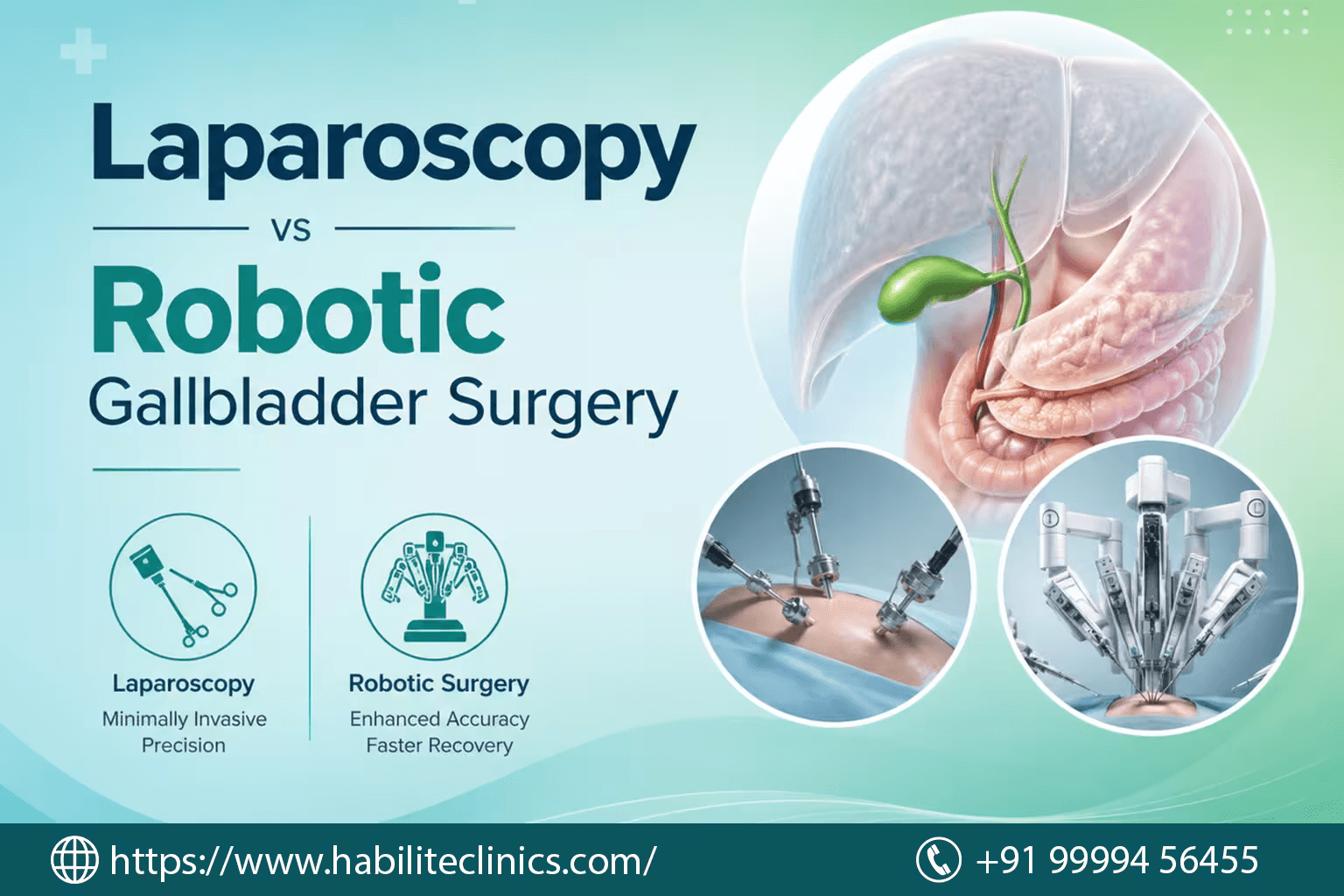
Laparoscopic vs Robotic Gallbladder Surgery: Which One Is Right for You?
Both are minimally invasive; laparoscopic and robotic cholecystectomy use the same 3–4 small incisions. Laparoscopic surgery is the gold standard — proven, effective, and the right choice for most straightforward gallstone cases. Robotics adds precision; 3D HD vision, wristed instruments with 7 degrees of motion, and tremor filtration make it superior in complex or inflamed cases. Recovery is identical; most patients go home within 24 hours and return to desk work in 5–7 days, regardless of which approach is used. Robotic is preferred for inflamed gallbladders, previous abdominal surgeries, obesity, or unusual anatomy. The robot does not operate independently; the robot simply translates his movements with greater precision. Surgeon experience matters more than technology — the right hands with the right technique will always deliver better outcomes than the best robot alone.