Best Appendicitis Surgeon in Delhi - Dr. Kapil Agrawal
Expert Surgeon with Over 23 Years of Experience | Internationally Trained Expert | Painless Surgery for Fast Recovery | Cashless Insurance Facility Available | Discharge within 24-48 hours

Book Consultation
Schedule a consultation for Appendix Surgery with Dr. Kapil Agrawal
Dr. Kapil Agrawal - Expert Laparoscopic Surgeon for Appendicitis Treatment at Habilite Clinics
Dr. Kapil Agrawal is a highly experienced surgeon in appendicitis treatment, known for his surgical excellence in laparoscopic appendectomy—a minimally invasive procedure that removes the inflamed appendix through small incisions. This technique involves reduced pain, shorter hospital stays, and faster recovery, making it the best choice for appendicitis management.
Dr. Kapil Agrawal has successfully executed numerous laparoscopic appendectomies, earning the trust of various patients with his precision, excellent surgical outcomes, and best patient care. He possesses outstanding skills to effectively deal with simple and complex cases, including emergency appendectomies, ensuring a high standard of patient care.
Dr. Kapil Agrawal, a laparoscopic and robotic surgeon in Delhi, is widely regarded as the best appendicitis surgeon in Delhi, India. With over 23 years of experience and more than 7,000 successful surgeries, he is known for delivering excellent patient outcomes. Dr. Kapil Agrawal is also a Senior consultant at Apollo group of hospitals and he is associated with many top hospitals in Delhi NCR to offer safe, effective, and advanced surgical care.
What is Appendix?
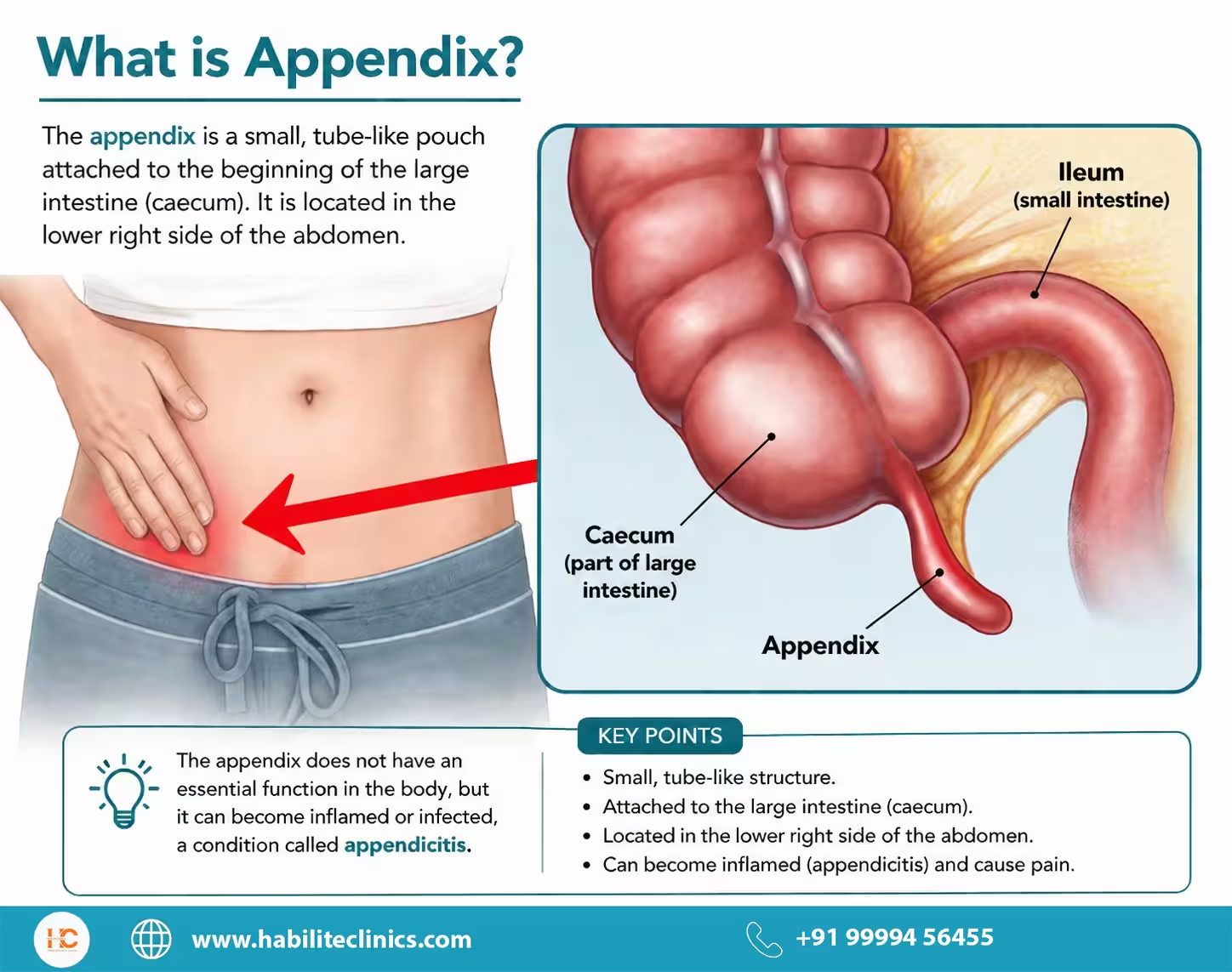
The Appendix is a small, finger-shaped structure that is attached to the large intestine (colon) on the lower right side of the abdomen. Because sudden abdominal pain can sometimes be confused with gallbladder pain or other conditions, an accurate diagnosis is essential before any surgery is planned. Though it does not play any important role, still its inflammation can cause appendicitis and result in various other health complications when not treated for longer time.
Appendicitis causes sudden pain around your navel and usually shifts to the lower abdomen. Pain gets worse when you walk or create any abrupt movement. Surgery is the only effective treatment.
What is Appendix Surgery?
Appendix surgery (appendectomy), is the surgical removal of the appendix. It is the most effective treatment for appendicitis, to prevent serious complications. The procedure involves removing the inflamed appendix prior it gets burst.
The surgery is usually performed with general anesthesia and involves two methods—open appendectomy or laparoscopic appendectomy. In an open appendectomy, a single large incision is made in the lower side of the abdomen to dissect the appendix. While in laparoscopic appendectomy, there are small incisions made and the appendix is removed using a camera and long instruments.
The second method is less invasive, thus aids in faster recovery, minimal pain and minimal scarring. The method can be opted based on the state of appendicitis and the patient's medical history.
The Goal of Appendix Surgery
Avoid Appendix Burst-Out
Main goal to remove inflamed appendix before it ruptures, resulting in other serious complications.
Manage Pain and Discomfort
Appendix surgery helps to manage your pain and symptoms timely related to appendicitis.
Prevent Infection and Peritonitis
Timely removal of appendix helps in preventing spread of infection to abdominal cavity, thus preventing peritonitis.
Minimize Complications
Timely surgery minimizes the risk of complications like abscess formation.
Faster Recovery
Especially the laparoscopic surgery, the goal is to ensure a faster recovery and return back to normal activities.
Minimize Recurrence
Appendectomy reduces the risks for future appendicitis.
Important Steps in the Appendix Surgery
Diagnosis
Diagnosis through physical examination, blood tests and imaging to confirm appendicitis.
Anesthesia
Applying general anesthesia to ensure that the patient is free from all discomfort and pain during surgery.
Incision
One large incision for open surgery or several small incisions for laparoscopic surgery.
Appendix Removal
Careful removal of inflamed appendix while safeguarding the surrounding tissues.
Closing Incisions
Incisions are closed using stitches or staples with high precision.
Postoperative Care
Monitoring the patient’s recovery process, pain management and activity restrictions.
Symptoms of Appendicitis
The presentation of acute appendicitis can vary, but the classic symptoms include:
- Abdominal Pain: Acute appendicitis typically presents as vague abdominal pain that starts around the umbilical region and later localizes to the right lower part of the abdomen.
- Nausea and Vomiting: Nausea and vomiting may occur after the onset of abdominal pain.
- Anorexia: Loss of appetite is a common early symptom.
- Fever: A low-grade fever may be present; high fever can indicate complications like perforation.
- Rebound Tenderness: Severe pain when pressure in the right lower abdomen is suddenly released.
Stages of Appendicitis
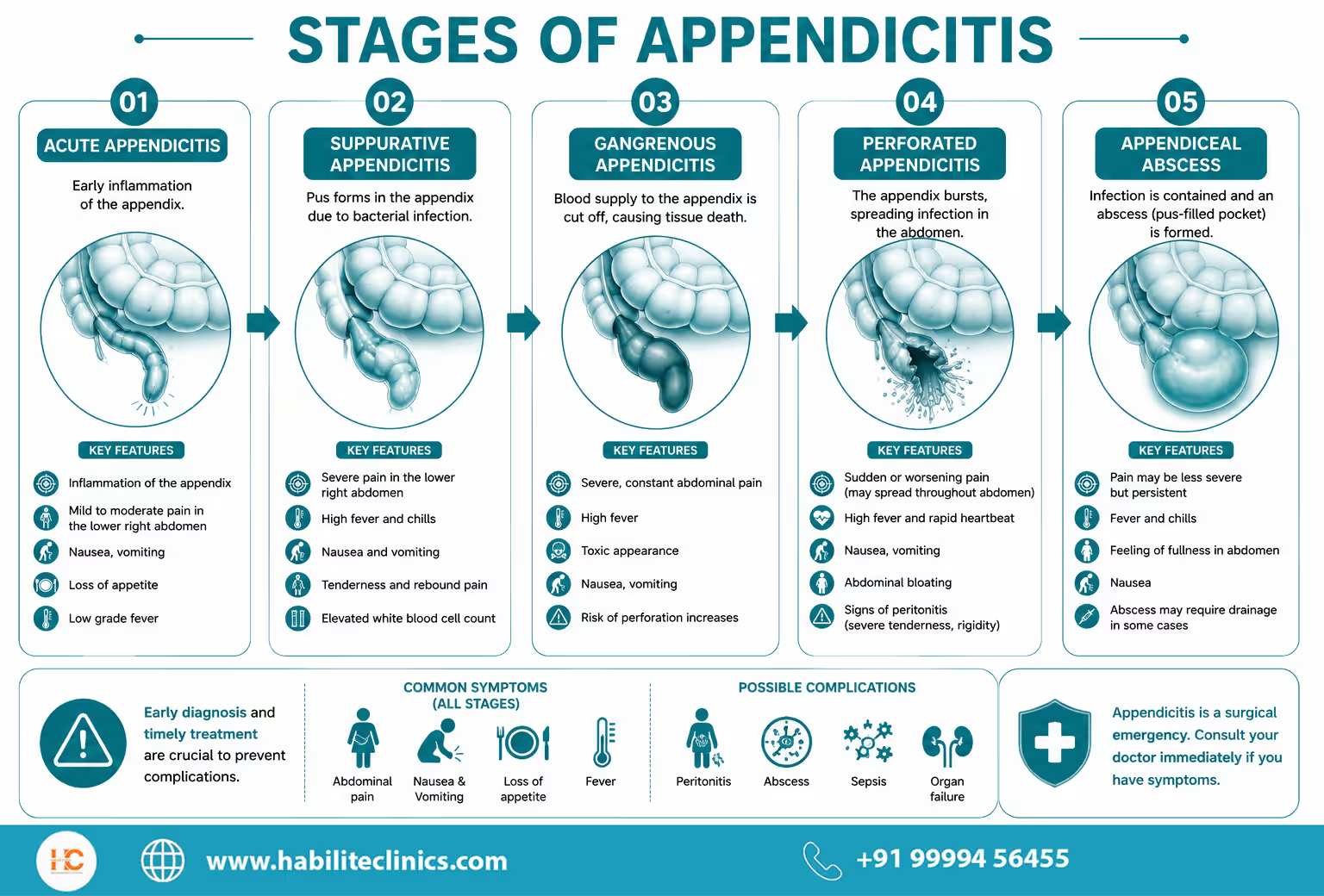
Appendicitis advances through various stages and understanding them can assist in creating personalized treatment plans.
Acute Appendicitis
Sudden inflammation causing pain, nausea, and fever. Needs timely surgery.
Suppurative Appendicitis
Appendix swells and fills with pus leading to intense pain and fever.
Gangrenous Appendicitis
Inflammation restricts blood flow leading to tissue death and severe complications.
Perforated Appendicitis
Appendix ruptures spreading infection across abdomen; requires emergency surgery.
Appendiceal Abscess
Pus-filled pocket forms when burst appendix is walled off by tissues; needs drainage plus surgery.
Diagnosis of Appendicitis
The diagnosis of acute appendicitis is primarily clinical but often supplemented by imaging and laboratory tests to confirm and assess the severity.
Physical Examination
Abdominal examination, checking for rebound tenderness and other diagnostic signs.
Blood Tests
Complete blood count (CBC) to check for elevated white blood cell count indicating infection.
Ultrasound
Imaging test that can visualize the appendix and detect signs of inflammation or blockage.
CT Scan
Detailed imaging providing clear visualization of the appendix and surrounding structures.
Types of Appendix Surgery
Dr. Kapil Agrawal offers various surgical approaches for appendicitis treatment, tailored to the patient's condition and history.
Open Appendectomy
Traditional method with a single large incision in the lower abdomen. Necessary in complex or ruptured cases.
- Used for complicated or ruptured cases
- Better visualization in emergency situations
Laparoscopic Appendectomy
Performed through 3-4 small incisions using a camera and instruments. Preferred for most cases. The same keyhole approach that gives faster recovery in appendix surgery is also used by our team for laparoscopic hernia surgeon and other abdominal procedures. and other abdominal procedures.
- Smaller incisions and minimal scarring
- Faster recovery and return to activities
- Reduced pain and lower risk of infection
Single Port Laparoscopic Appendectomy
Minimally invasive technique using only one small incision for reduced pain and minimal scarring.
- Single small incision
- Minimal scarring and faster recovery
Robotic-Assisted Laparoscopic Appendectomy
Utilizes robotic systems for better accuracy combining benefits of laparoscopy and robotics.
- Enhanced precision and accuracy
- Better visualization and control
Advantages of Laparoscopic Appendix Surgery
Minimally Invasive
Small incisions are less traumatic compared to open surgery.
Minimal Pain
Laparoscopic surgery creates minimal pain and discomfort.
Quicker Recovery
Faster recovery with precise treatment plans.
Reduced Risk of Infection
Smaller incisions reduce postoperative infection risk.
Minimal Scarring
Offers excellent cosmetic results.
Better Accuracy
Enhanced visualization ensures precise surgery.
Same-Day Discharge
Many patients return home within 24 hours.
Why Dr. Kapil Agrawal at Habilite Clinics Is the Best Appendicitis Surgeon in Delhi
Dr. Kapil Agrawal is the best appendix specialist doctor and surgeon for appendicitis treatment in Delhi, with expertise in single-port laparoscopic appendectomy — a minimally invasive technique that ensures quick recovery, reduced pain, and minimal scarring. Supported by a highly skilled team at Habilite Clinics and affiliations with top hospitals in Delhi, Dr. Kapil Agrawal guarantees precise surgical care with excellent outcomes.
Patients also benefit from cashless insurance facilities and zero percent EMI options, all backed by a strong commitment to surgical excellence and patient comfort.
Expertise & Experience
- 23+ years of surgical experience
- 2000+ successful laparoscopic appendectomies
- Expert in complex and emergency cases
- Practicing at Apollo hospitals
Advanced Treatment Options
- Single-port laparoscopic appendectomy
- Robotic-assisted laparoscopic surgery
- 24-hour discharge protocol
- Cashless insurance and 0% EMI options
Appendicitis Treatment by Best Appendix Surgeon In Delhi
If you're someone searching on search engine "appendix surgeon near me" then, Dr. Kapil Agrawal offers advanced appendicitis treatment in Delhi with expert care, modern techniques, and patient-friendly facilities.
Skilled Team of Experts
Highly experienced team specializing in laparoscopic surgical procedures, including appendectomies.
Single-Port Laparoscopic Appendicectomy
Minimally invasive technique using one small incision for less pain and quicker recovery.
Association with Top-Notch Hospitals
State-of-the-art operation theatres, advanced diagnostics, and comprehensive care units in Delhi NCR.
Cashless Insurance & Zero-Percent EMI
Dedicated insurance coordination helps with paperwork; flexible zero-interest EMI plans available.
Appendix Surgery Cost in Delhi
Get accurate cost estimate for your treatment
Appendix Patient Testimonials
Real stories from patients who underwent laparoscopic appendectomy with Dr. Kapil Agrawal
Dr. Kapil Agrawal performed my appendix surgery with such precision and care. The recovery was much faster than I expected. The entire team at Habilite Clinics was professional and supportive throughout.
Rajesh Kumar
Appendix Surgery
At my age, I was worried about surgery, but the team at Habilite Clinics took excellent care of me. The procedure was smooth, and I recovered quickly. Thank you, Dr. Agrawal and team!
Sunita Devi
Laparoscopic Appendix Surgery
I'm Varun from Gurgaon. Dr. Kapil Agrawal guided my appendix surgery via video consultation. Insurance was approved smoothly, surgery done same day, and I was discharged the next day. Thank you, Dr. Agrawal!
Varun Sharma
Laparoscopic Appenddix Surgery
Thank you, Dr. Agrawal, for the scar-free surgery. I was scared, but it was quick and painless. I returned home the next day. Grateful for your support!
Priya Mehta
Laparoscopic Appendix Surgery
Dr. Kapil Agrawal is among the best appendix surgeon in Delhi. Skilled, compassionate, and supported by a great team. My laparoscopic surgery went perfectly and was stress-free.
Ramesh Kumar
Laparoscopic Appendix Surgery
Recovery & Aftercare
Recovery Time
Most patients can return to normal activities within 1-2 weeks after laparoscopic appendectomy. Many patients are discharged within 24-48 hours.
Follow-up Care
Regular follow-up appointments ensure optimal recovery and address any concerns. Dr. Kapil Agrawal provides comprehensive post-operative care.
Aftercare Milestones
Recovery & Aftercare Timeline
A clear, physician-approved recovery roadmap guiding every patient through the first week after surgery.
24 Hours
24 Hours Hospital Stay if done through medical insurance. For non-insurance patients, discharged within 2 Hours.
24 Hours
24 Hours Hospital Stay if done through medical insurance. For non-insurance patients, discharged within 2 Hours.
24–36 Hours
Return to work and normal activities with full recovery.
24–36 Hours
Return to work and normal activities with full recovery.
48 Hours
Resume regular diet as per customised plan.
48 Hours
Resume regular diet as per customised plan.
Habilite Clinics' Free Post-operative Care
We provide comprehensive free post-operative care to ensure your smooth recovery and optimal results. Our dedicated team is committed to your well-being throughout your healing journey.
Comprehensive Care
Complete post-operative support and monitoring
Expert Guidance
24/7 access to our medical team
Dedicated Support
Personalized care coordinator for each patient
Regular Follow-ups
Scheduled check-ups to ensure optimal recovery
What's Included in Our Free Post-operative Care:
- ✓Regular follow-up consultations with Dr. Kapil Agrawal
- ✓24/7 emergency support and guidance
- ✓Nutritional counseling and diet plans
- ✓Wound care and dressing assistance
- ✓Medication management and adjustments
- ✓Progress monitoring and recovery assessment
Frequently Asked Questions
Common questions about appendicitis and laparoscopic appendectomy
Related Appendix Blogs
Expert insights, tips, and guides about appendix