gallbladder-polyps-treatment-in-delhi
Best Gallbladder Polyps Treatment in Delhi - Dr. Kapil Agrawal
Dr Kapil Agrawal is one of the best gallbladder polyp specialists in Delhi, India. He offers the best and most customized treatment for different types of gallbladder diseases, including gallbladder polyps. Not all gallbladder polyps require surgical intervention, and Dr. Kapil Agrawal offers the best management for gallbladder polyps based on international guidelines. With a tremendous experience of 23 years and more than 7000 laparoscopic surgeries under his belt, he is one of the best surgeons for the treatment of gallbladder polyps.
Book Consultation
Schedule a consultation for Gallbladder Polyps Treatment with Dr. Kapil Agrawal
What is Gallbladder Polyps?
Gallbladder polyps are abnormal tissue growths on the inner wall of the gallbladder. They are pretty standard, and most of these polyps are harmless, which means they cannot develop cancer. The causes of gallbladder polyps are unclear in most situations, but they can be associated with age, gender (more common in females), and some specific diseases.
They are pretty standard, and most of these polyps are harmless, which means they cannot develop cancer. The causes of gallbladder polyps are unclear in most situations, but they can be associated with age, gender (more common in females), and some specific diseases.
Different Types of Gallbladder Polyps:
The polyps are usually classified into Pseudo Polyps and True Polyps
Pseudopolyps
Pseudo polyps account for 95% of polyps, and these polyps are completely harmless and do not turn into cancer. Different types of pseudo polyps are:
Cholesterol Polyps:
These are the most common type of gallbladder polyps and account for 60% of all polyps. These are cholesterol deposits on the inner lining of the gallbladder and usually do not exhibit any symptoms.
Adenomyomatosis:
They account for another 25% of polyps, and they are cholesterol deposits which precipitate in the sinuses (Rokitansky-Aschoff sinuses) present in the inner layer of the gallbladder.
Inflammatory Polyps:
These are attributed to conditions where chronic gallbladder inflammation is present, usually seen in gallbladder stones.
True Polyps
Adenomas:
Adenomas are non-cancerous tumours that are more worrisome because they may become cancerous in the long term. They account for approximately 5% of polyps.
Polyp Cancer (Adenocarcinoma of Gallbladder):
Polyps may not always fall within the confines of the benign category. About 20% of gallbladder cancer will manifest as gallbladder polyp. For this reason, thorough observation is necessary for early detection of malignancy or cancer.
High-Risk for Cancer in Gallbladder Polyp
Diagnosis of Gallbladder Polyps
Polyps are rarely known because the patients are usually asymptomatic. Much like other polyps, gallbladder polyps are spotted on routine ultrasound imaging of the abdomen. If your doctor suspects a polyp's existence, they may choose to confirm with further tests.
Ultrasound (USG)
This is the most common and baseline investigation for the detection of gallbladder polyps. The presence of gallbladder polyps on ultrasound determines if any further investigation is required or not.
Computed Tomography (CT scan)
It is one of the highly recommended radiological investigations as it helps in the identification and staging of cancerous polyps.
MRI with MRCP
MRCP is better for assessing wall invasion and can help in the detection of very small polyps.
EUS (Endoscopic Ultrasound)
This is a special type of ultrasound done with the help of an endoscope put into the food pipe. It is highly accurate for small polyps which can't be seen through normal ultrasound.
Positron Emission Tomography
Cancer cells consume higher amounts of glucose, and this imaging modality determines the uptake of radioactive glucose by the body cells. This helps to differentiate cancerous cells from normal cells and has a very high accuracy in diagnosing cancer.
Best Treatment and Management Options for Gallbladder Polyps
Non-Surgical Treatment of Gallbladder Polyps
Polyps less than 1 cm in size need not undergo surgery and can be followed up. However, we assess every patient thoroughly and offer a customized approach. Broadly, our guidelines are:
Gallbladder Polyp Less than 5mm:
Get routine USG at 6 months, 1 year, 3 year and 5 years.
Gallbladder Polyps Between 6 mm-9mm:
USG scan at 6 months and then every year. If the polyp increases in size or number, we recommend surgery on an urgent basis.
Surgical Treatment of gallbladder Polyp
Surgery is usually recommended if the polyps have a high chance of converting into malignancy or cancer or if the polyp is cancerous. Depending upon the condition, we typically recommend two types of surgery:
Simple Cholecystectomy
Simple cholecystectomy is usually performed when the risk of cancer is very low, and the surgery is being performed to remove the risk of developing cancer of the gallbladder over some time.
Extended Cholecystectomy
Extended cholecystectomy is a procedure carried out in patients when the chances of malignancy are very high or the patient has a gallbladder cancerous polyp. In this procedure, along with the gallbladder, the liver bed where the gallbladder is attached and the surrounding lymph nodes are also removed.
We usually perform these surgeries through two approaches:
Laparoscopic Approach
This is one of the best approaches for the management of polyps, which is cost-effective and associated with faster recovery and best cosmesis.
Dr.Kapil Agrawal is one of the highly experienced surgeons and has performed the most complex gallbladder surgeries with the best results.
Robotic Approach
Robotic Surgery is the latest modality where the surgeon conducts the surgery with the help of a robot console completely under the control of the operating surgeon.
The recovery and surgical scars are similar to laparoscopic surgery as the number and size of incisions are the same. However, robotic surgery is beneficial when the surgeon has to operate in a tight space where human hands can't bend and rotate as robotic hands can.
Why Dr Kapil Agrawal is the Best Gallbladder Specialist Surgeon for Gallbladder Polyps
Best-in-Class Consultation and Diagnosis:
Our team of able medics at Habilite Clinics will start by taking a detailed history of your clinical condition. If the patient has gallbladder polyps, highly sensitive ultrasound and imagery techniques are used for diagnostics and monitoring.
Tailor Made Treatment:
The clinic has evidence-based, individualized, tailored treatment for the patients. Small polyps can be left for surveillance, while bigger ones can lead us to a surgical solution. Invasive procedures are last on the list to ensure patient comfort and satisfaction.
Dr Agrawal offers a proactive approach that solves health issues before they get serious
Best Team of Laparoscopic Surgeons
Dr Kapil Agrawal, principal Surgeon at Habilte Clinics, is one of the best gallbladder surgeon in Delhi, India and has the experience and expertise to handle even the most complex cases of gallbladder polyps. The team is well-equipped to perform the most advanced form of laparoscopic surgery, ensuring non-visible scars and early recovery.
Best-in-Class Affiliation with Hospitals & Complete Cashless Insurance Facilities
Habilite Clinics partners with some of the best hospitals for gallbladder surgery in Delhi to ensure seamless, high-quality care for gallbladder polyp management. With complete cashless insurance approvals (covering diagnostics, consultations, and surgeries), patients undergo stress-free treatment and management without financial strain.
Multidisciplinary Team
Habilite Clinics has a strong team of surgeons, oncologists, radiologists, and pathologists to deal with cases with malignancy risk. It also ensures optimal treatment planning (e.g., extended cholecystectomy for gallbladder cancer).
Recovery & Aftercare
Recovery Time
Laparoscopic and robotic gallbladder removal typically requires 1-2 days hospital stay. Most patients can return to normal activities within 1-2 weeks.
Follow-up Care
Regular follow-up appointments ensure optimal recovery and address any concerns. For non-surgical cases, regular monitoring via ultrasound is recommended based on polyp size.
Aftercare Milestones
Recovery & Aftercare Timeline
A clear, physician-approved recovery roadmap guiding every patient through the first week after surgery.
24 Hours
24 Hours Hospital Stay if done through medical insurance. For non-insurance patients, discharged within 2 Hours.
24 Hours
24 Hours Hospital Stay if done through medical insurance. For non-insurance patients, discharged within 2 Hours.
24–36 Hours
Return to work and normal activities with full recovery.
24–36 Hours
Return to work and normal activities with full recovery.
48 Hours
Resume regular diet as per customised plan.
48 Hours
Resume regular diet as per customised plan.
Gallbladder Polyps Treatment Cost in Delhi
Get accurate cost estimate for your treatment
Habilite Clinics' Free Post-operative Care
We provide comprehensive free post-operative care to ensure your smooth recovery and optimal results. Our dedicated team is committed to your well-being throughout your healing journey.
Comprehensive Care
Complete post-operative support and monitoring
Expert Guidance
24/7 access to our medical team
Dedicated Support
Personalized care coordinator for each patient
Regular Follow-ups
Scheduled check-ups to ensure optimal recovery
What's Included in Our Free Post-operative Care:
- ✓Regular follow-up consultations with Dr. Kapil Agrawal
- ✓24/7 emergency support and guidance
- ✓Nutritional counseling and diet plans
- ✓Wound care and dressing assistance
- ✓Medication management and adjustments
- ✓Progress monitoring and recovery assessment
Chat with Expert for Free
Get instant answers to your questions from our medical experts via WhatsApp
Patient Testimonials
Real stories from patients who received treatment from Dr. Kapil Agrawal
Dr. Kapil Agrawal performed my gallbladder surgery with such precision and care. The recovery was much faster than I expected. The entire team at Habilite Clinics was professional and supportive throughout.
Rajesh Kumar
Laparoscopic Gallbladder Surgery
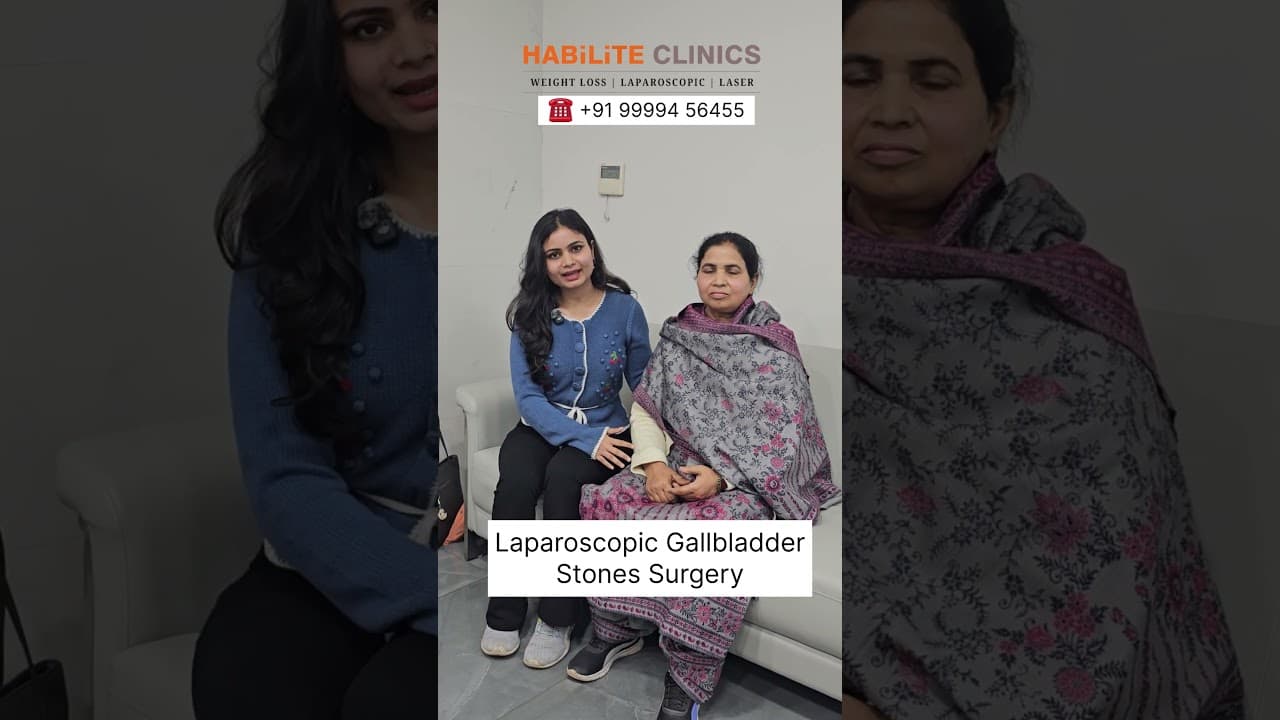
The robotic surgery experience was excellent. Less pain, faster recovery, and minimal scarring. Dr. Kapil Agrawal is truly an expert in his field. The hospital facilities are top-notch.
Ms. Tuba & her mother
Laparoscopic Gallbladder Stone Surgery
At my age, I was worried about surgery, but the team at Habilite Clinics took excellent care of me. The procedure was smooth, and I recovered quickly. Thank you, Dr. Agrawal and team!
Sunita Devi
Laparoscopic Gallbladder Surgery
Frequently Asked Questions
Common questions about gallbladder polyps treatment answered by Dr. Kapil Agrawal
Gallbladder polyps are abnormal tissue growths on the inner wall of the gallbladder. They are quite common, and most of these polyps are harmless (non-cancerous). However, larger polyps may require monitoring or surgical removal.
No, not all gallbladder polyps require surgical intervention. Small polyps (less than 10mm) are usually monitored regularly. Polyps larger than 10mm or those showing signs of growth may require gallbladder removal due to cancer risk.
Polyps larger than 10mm are considered higher risk and may require surgical removal. Polyps between 6-10mm are monitored closely, while those smaller than 6mm are usually benign and monitored periodically.
Most gallbladder polyps are benign. However, larger polyps (especially those over 10mm) have a higher risk of being cancerous or becoming cancerous over time, which is why they may require surgical removal.
Gallbladder polyps are usually discovered during ultrasound examinations. Additional imaging tests like CT scan, MRI with MRCP, or EUS (Endoscopic Ultrasound) may be recommended for better evaluation, especially for larger polyps.
Most gallbladder polyps are asymptomatic and are discovered incidentally. When symptoms occur, they may include upper right abdominal pain, nausea, vomiting, bloating, or indigestion.
Polyps less than 5mm: USG at 6 months, 1 year, 3 years, and 5 years. Polyps between 6-9mm: USG scan at 6 months and then every year. If the polyp increases in size or number, surgery may be recommended.
Treatment depends on the size and characteristics of the polyp. Small polyps are monitored, while larger polyps (over 10mm) or those showing rapid growth may require laparoscopic or robotic cholecystectomy (gallbladder removal).
Yes, laparoscopic gallbladder removal is a safe and commonly performed procedure. Most people can live a normal life without a gallbladder, and the surgery has minimal complications when performed by an experienced surgeon like Dr. Kapil Agrawal.
After gallbladder removal, bile flows directly from the liver to the small intestine. Most people adapt well and can resume normal activities within 1-2 weeks. Some dietary adjustments may be recommended initially.
Related Gallbladder Polyps Blogs
Expert insights, tips, and guides about gallbladder polyps
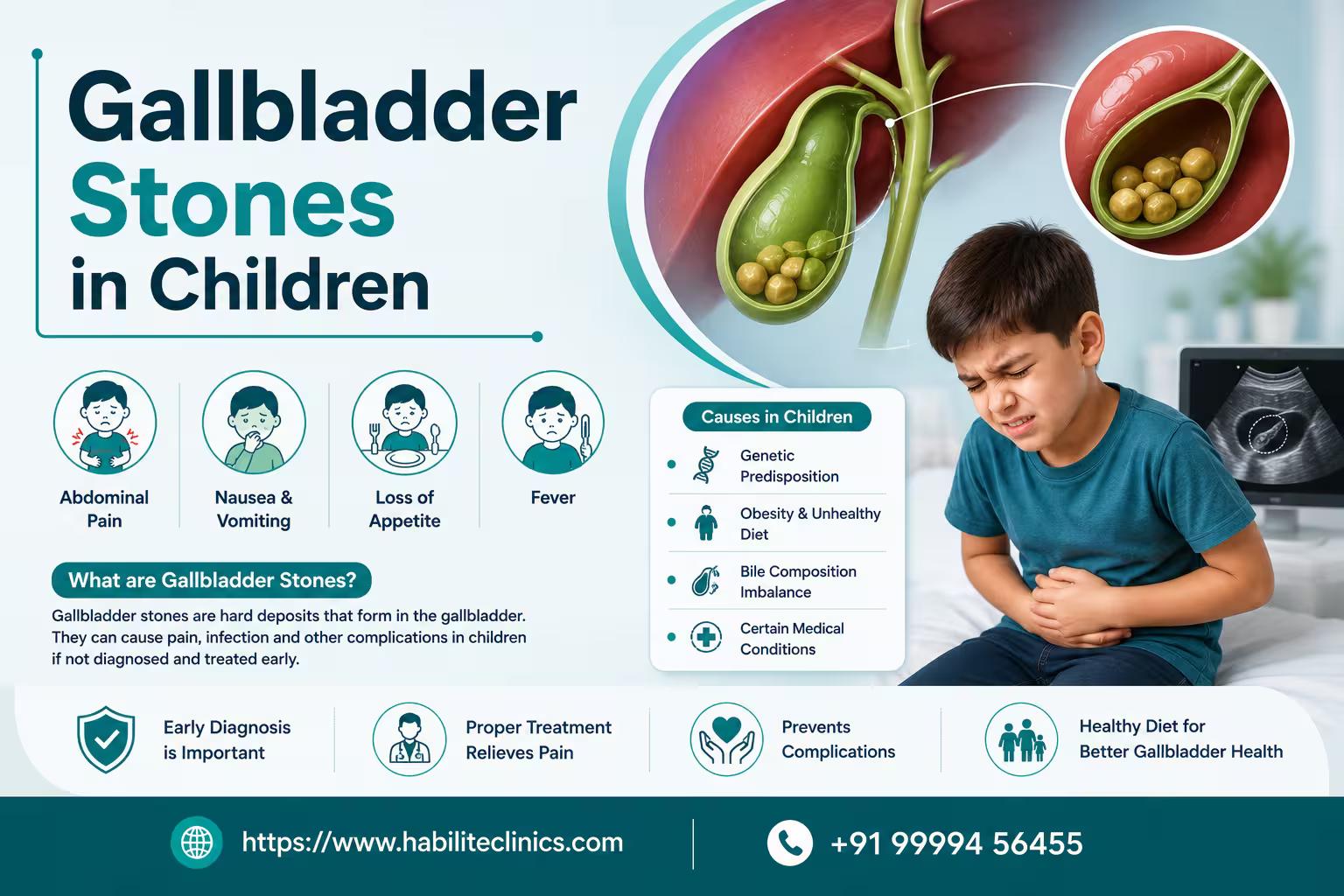
Gallbladder Stones in Children: Everything Parents Need to Know
Gallbladder stones in children are rising, mainly due to increased childhood obesity and blood disorders. In India, gallstones are 7 times more common in North India than in the South. Pain in the upper right abdomen after eating fatty foods is the most common symptom. An ultrasound (USG abdomen) is the first and most reliable test without radiation. Laparoscopic (keyhole) gallbladder removal is safe, proven, and the gold standard for symptomatic children. Children can live perfectly normal lives without a gallbladder as the liver continues to produce bile. Early diagnosis and the right surgical team make all the difference.
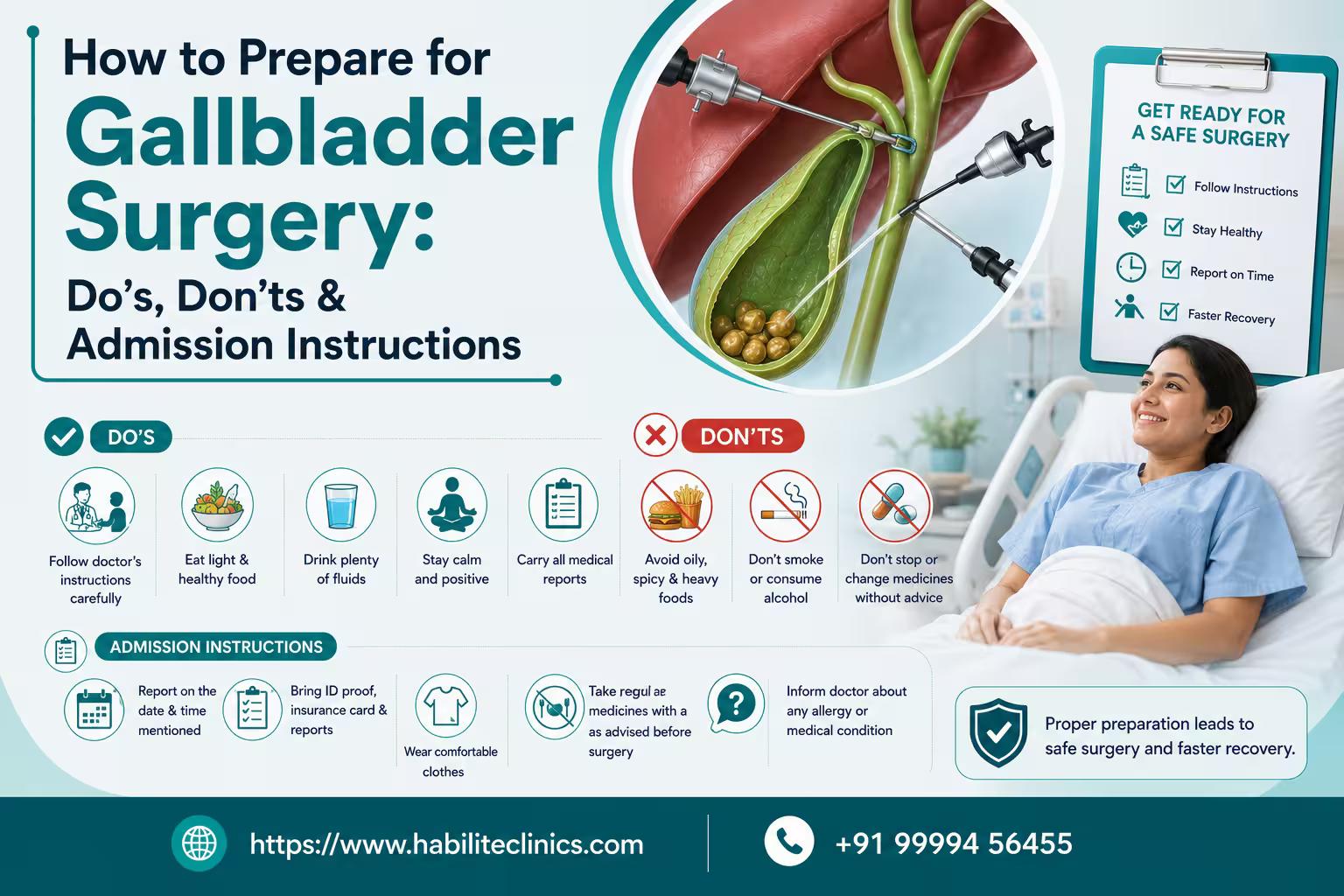
How to Prepare for Gallbladder Surgery: Do’s, Don’ts & Admission Instructions
1 Week Before: Switch to easily digestible, low-fat foods Arrange transportation and post-surgery help Gather all required documents (ID, insurance, test reports) Stop blood thinners as instructed (typically 5-7 days before) ✓ Night Before Surgery: Last meal by 8 PM (light and low-fat) Stop eating after midnight Shower with antibacterial soap Remove nail polish, jewelry, and contact lenses Pack a simple hospital bag ✓ Morning of Surgery: NO food or water after the cutoff time (typically 6 AM) Take only approved medications with a tiny sip of water Arrive at hospital 2 hours before scheduled time Wear loose, comfortable clothing ✓ Never Compromise On: Fasting instructions (breaking fast = cancelled surgery) Medication adjustments (especially blood thinners) Informing your surgeon about fever, cold, or illness Having someone to drive you home
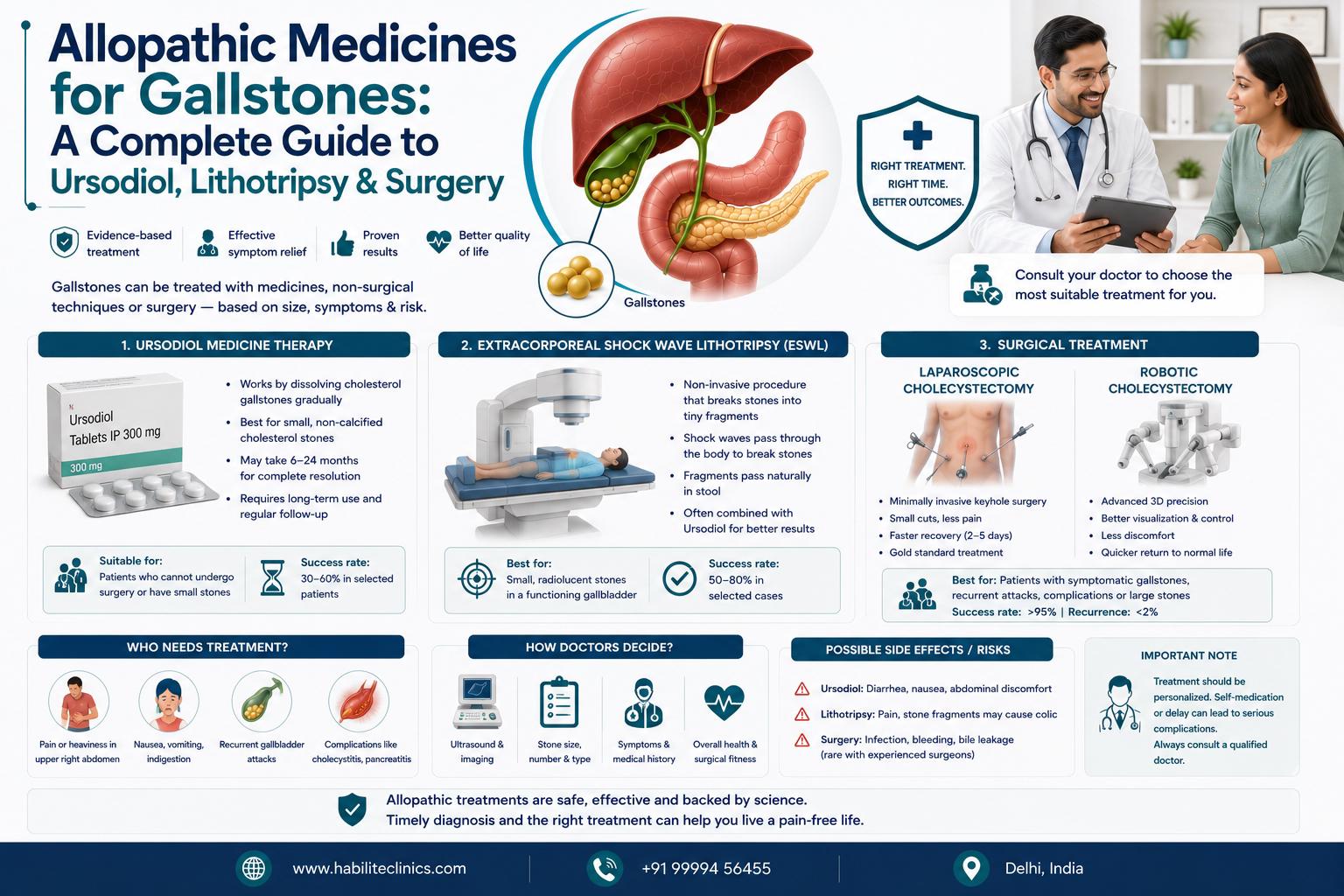
Allopathic Medicines for Gallstones: A Complete Guide to Ursodiol, Lithotripsy & Surgery
Ursodiol is the only proven medicine (FDA-approved, 10–15% qualify) Strict eligibility criteria (cholesterol stones, under 15 mm, no calcification, etc.) Treatment takes 6 months to 2 years High recurrence rate (50% in 5 years, 60% by 11 years) ESWL is obsolete (rarely used today) Laparoscopic surgery is gold standard (30–45 min, day-care, near-zero recurrence) Life without gallbladder is normal (most people notice no difference)