
How to Prevent Piles with Home Remedies?
Table of Contents
Key Takeaways
Preventing piles at home comes down to five consistent habits: a high-fiber diet, adequate water intake, regular exercise, never straining during bowel movements, and good anal hygiene. Most early-stage (grade 1–2) piles respond well to these changes within 2–6 weeks. Persistent bleeding, a lump that will not go back in, or repeated flare-ups are signs to see a specialist rather than continue self-treatment.
Piles, also called hemorrhoids, affect nearly half of all adults at some point in their lives. The good news is that in most early-stage cases, you can prevent piles at home with a few consistent daily habits. This guide covers diet, hydration, exercise, bathroom habits, and hygiene practices that lower your risk of piles, along with the warning signs that mean it's time to stop relying on home remedies and see a specialist. As a laser and laparoscopic surgeon who has treated thousands of piles cases in Delhi, Dr. Kapil Agrawal shares the same advice he gives his own patients.
Why Piles Develop in the First Place
Piles form when the veins around your anus or lower rectum become swollen and inflamed. This usually happens because of repeated pressure on these veins over time. Common triggers include chronic constipation, straining during bowel movements, sitting for long hours at a desk, a low-fiber diet, pregnancy, obesity, aging, and heavy lifting. Once you understand what's driving the pressure, prevention becomes a lot more practical—most of the tips below work by removing one or more of these triggers from your daily routine. According to Dr. Kapil Agrawal, one of the best piles doctor in Delhi, there are many ways to prevent piles. Some of the best measures to prevent piles are listed below.
12 Ways to Prevent Piles at Home
1. Eat a High-Fiber Diet Every Day
Fiber is the single most effective tool for piles prevention. It softens stool and adds bulk, so you pass motion without straining. Aim for 25–30 grams of fiber a day from whole grains, fruits, vegetables, and legumes—oats, papaya, pears, spinach, and lentils are easy additions to an Indian diet. See our detailed list of foods to eat and avoid in piles for a full breakdown. If your fiber intake has been low, increase it gradually over 1–2 weeks to avoid bloating.
2. Stay Well Hydrated
Fiber only works well when you drink enough water alongside it — without adequate fluids, extra fiber can actually make stool harder to pass. Aim for at least 2.5–3 liters of water a day, more if you exercise or live in a hot climate. Herbal teas and soups count toward your fluid intake too.
3. Exercise Regularly
Physical activity improves blood circulation and helps keep bowel movements regular. Even a 30-minute walk each day reduces pressure on the veins in the rectal area and lowers constipation risk. Swimming, cycling, and yoga are good low-impact options if you already have piles symptoms.
4. Never Strain During Bowel Movements
Straining is one of the biggest direct causes of piles — it raises pressure inside the rectal veins every time you push. Give yourself enough time in the bathroom, avoid using your phone while you wait for the urge to build, and let the process happen naturally. A footstool that raises your knees above hip level can make elimination easier and reduce the need to strain.
5. Don't Delay the Urge to Go
Holding in a bowel movement, even for a meeting or a long commute, allows stool to become harder and drier—which means more straining later. Try to respond to the urge within a few minutes whenever possible.
6. Try Warm Sitz Baths
A sitz bath is a warm, shallow bath for the anal area. Soaking in warm water for 15–20 minutes, two to three times a day, relaxes the anal sphincter, improves local blood flow, and eases discomfort. Adding a tablespoon of Epsom salt can enhance the soothing effect.
7. Avoid Sitting or Standing for Too Long
Desk jobs and long commutes are a major reason piles are so common among working professionals. Sitting for hours increases pressure on the rectal veins. Stand up and move around for a few minutes every hour, and use a cushioned seat if your job involves long sitting hours.
8. Keep the Anal Area Clean and Dry
Gently clean the area with water after every bowel movement instead of relying only on dry toilet paper, and pat the area dry rather than rubbing it. Harsh soaps, scented wipes, and vigorous wiping can irritate the skin and worsen symptoms.
9. Manage Your Body Weight
Extra body weight adds pressure on the pelvic and rectal veins. Gradual, sustainable weight loss through diet and regular activity reduces this pressure and lowers your long-term risk of developing piles.
10. Use Ice Packs to Ease Swelling
For an acute flare-up, wrap an ice pack in a thin cloth and apply it to the area for 10–15 minutes at a time. This reduces swelling and provides quick, temporary relief from pain.
11. Use Over-the-Counter Relief Sensibly
Topical creams, ointments, and suppositories can reduce itching, pain, and inflammation for mild piles. Use them as directed and only for short periods. If you notice ongoing bleeding, read our guide on how to stop piles bleeding at home, and don't treat bleeding as routine without a medical opinion.
12. Know Your Risk During Pregnancy
Pregnancy increases pressure on pelvic veins due to the growing uterus and hormonal changes, which is why piles are common in the second and third trimesters. If you're pregnant, our guide on piles during pregnancy covers safe home remedies specific to this stage.
When Home Remedies Aren't Enough
Home remedies work well for early, grade 1, and grade 2 piles. However, some signs mean it's time to see a specialist rather than continue self-treatment: bleeding that doesn't stop within a few days, a lump that doesn't go back inside the anus, severe pain, or symptoms that keep returning despite consistent lifestyle changes. Left untreated, piles can progress to more advanced stages—our guide on grade 4 piles symptoms and treatment explains what advanced piles look like and why they usually need a procedure rather than home care.
If home remedies aren't giving you lasting relief, minimally invasive options exist that don't always require traditional surgery. Read more about laser piles surgery cost in Delhi if a procedure becomes necessary.
“Most of my patients who catch piles early never need surgery at all. The habits that prevent piles — enough fiber, enough water, and not straining — are simple, but they only work if you do them every day, not just when symptoms flare up.”
— Dr. Kapil Agrawal
Conclusion
Preventing piles at home is mostly about consistency. Small, daily habits around diet, hydration, movement, and bathroom routine add up to a much lower risk over time. If you've already tried these steps for a few weeks without improvement, or you notice bleeding, pain, or a lump that doesn't resolve, it's a good time to get an expert opinion rather than wait. You can book a consultation with Dr. Kapil Agrawal, a laser and laparoscopic surgeon with over 23 years of experience treating piles in Delhi.
Frequently Asked Questions
The fastest results come from combining a high-fiber diet with adequate water intake and avoiding straining during bowel movements. Most people notice softer, easier stools within a few days of increasing fiber and fluids together.
Home remedies work well for prevention and for managing early, grade 1 and grade 2 piles. Advanced piles, grade 3 and grade 4, usually need a medical procedure for a permanent solution, since home care alone cannot shrink the swollen tissue at that stage.
Limit refined and processed foods, red meat in large quantities, fried foods, and low-fiber snacks. These foods slow digestion and can contribute to constipation, which increases pressure on the rectal veins.
Most adults should aim for 2.5–3 litres of water a day. This helps fiber work properly and keeps stool soft, reducing the need to strain.
Yes. A daily 30-minute walk improves blood circulation and helps prevent constipation, both of which lower your risk of developing piles.
Prolonged sitting increases pressure on the veins in the rectal area, which is why desk-based professionals are more prone to piles. Standing and moving for a few minutes every hour reduces this risk.
Most people notice reduced discomfort within 1–2 weeks of consistent dietary and lifestyle changes. Complete symptom relief can take 4–6 weeks for mild cases.
See a doctor if you notice bleeding that lasts more than a few days, a lump that doesn't go back in on its own, severe pain, or if symptoms keep coming back despite lifestyle changes.
Yes. The growing uterus increases pressure on pelvic veins, and hormonal changes relax vein walls, making piles common during the second and third trimesters of pregnancy.
Yes, piles can recur if the underlying triggers — low fiber intake, chronic constipation, or prolonged sitting — aren't addressed on an ongoing basis. Maintaining these habits long-term is the best way to prevent recurrence.
Dr. Kapil Agrawal
Senior Consultant at Apollo Group of Hospitals
About the Doctor
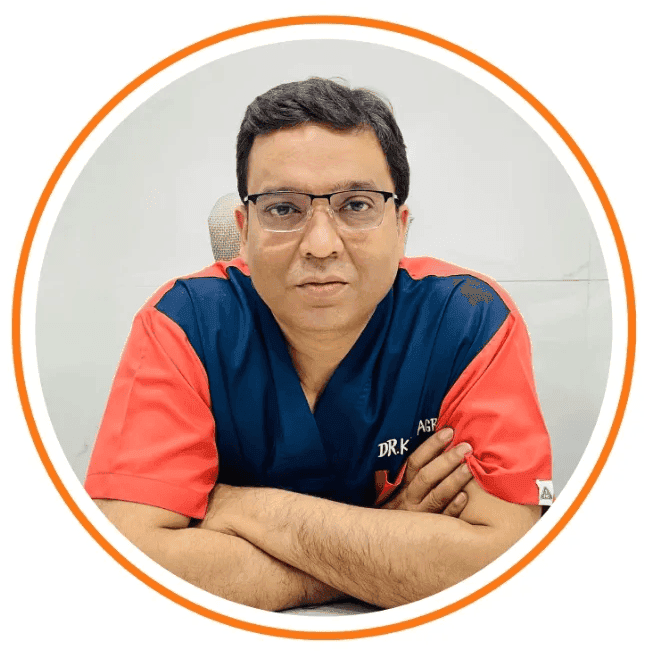
Dr. Kapil Agrawal
Senior Consultant - Laparoscopic & Robotic Surgeon
Dr. Kapil Agrawal is a leading and one of the best Robotic and Laparoscopic Surgeon in Delhi, India. He has an overall experience of 23 years and has been working as a Senior Consultant Surgeon at Apollo Group of Hospitals, New Delhi, India. He is performing advanced laparoscopic and robotic surgeries for various conditions, which include Gallbladder stones, Hernia, Appendicitis, Rectal prolapse, and pseudo-pancreatic cyst.
Qualifications
- •MBBS - Institute of Medical Sciences, BHU, Varanasi
- •MS (Surgery) - Institute of Medical Sciences, BHU, Varanasi
- •MRCS (London, U.K) - Royal College of Surgeons, London