Piles Treatment During Pregnancy
Piles in pregnancy are common. And they can be miserable. The itching. The ache while you sit. That bright spot of blood on the tissue. It worries most mothers-to-be. Here is the good news — in almost every case, piles in pregnancy can be eased with safe, simple steps.
They often shrink on their own once your baby arrives. And surgery is rarely needed while you are still carrying. At Habilite Clinics in Delhi, Dr. Kapil Agrawal sees and treats pregnant women with piles every week — so we know how to keep both mother and baby safe.
If piles persist after delivery, Dr. Agrawal also offers laser piles surgery in Delhi — modern day-care procedures with quick healing and same-day discharge.
This page walks you through what works, what is safe, and when to call a doctor — from home relief and pregnancy-safe medicines to urgent care and treatment after the birth.
Internationally Trained Expert
Discharge within 24 hours
Cashless Insurance Facility
Book Consultation
Schedule a consultation for Mini Gastric Bypass Surgery with Dr. Kapil Agrawal
Why Piles Are So Common in Pregnancy
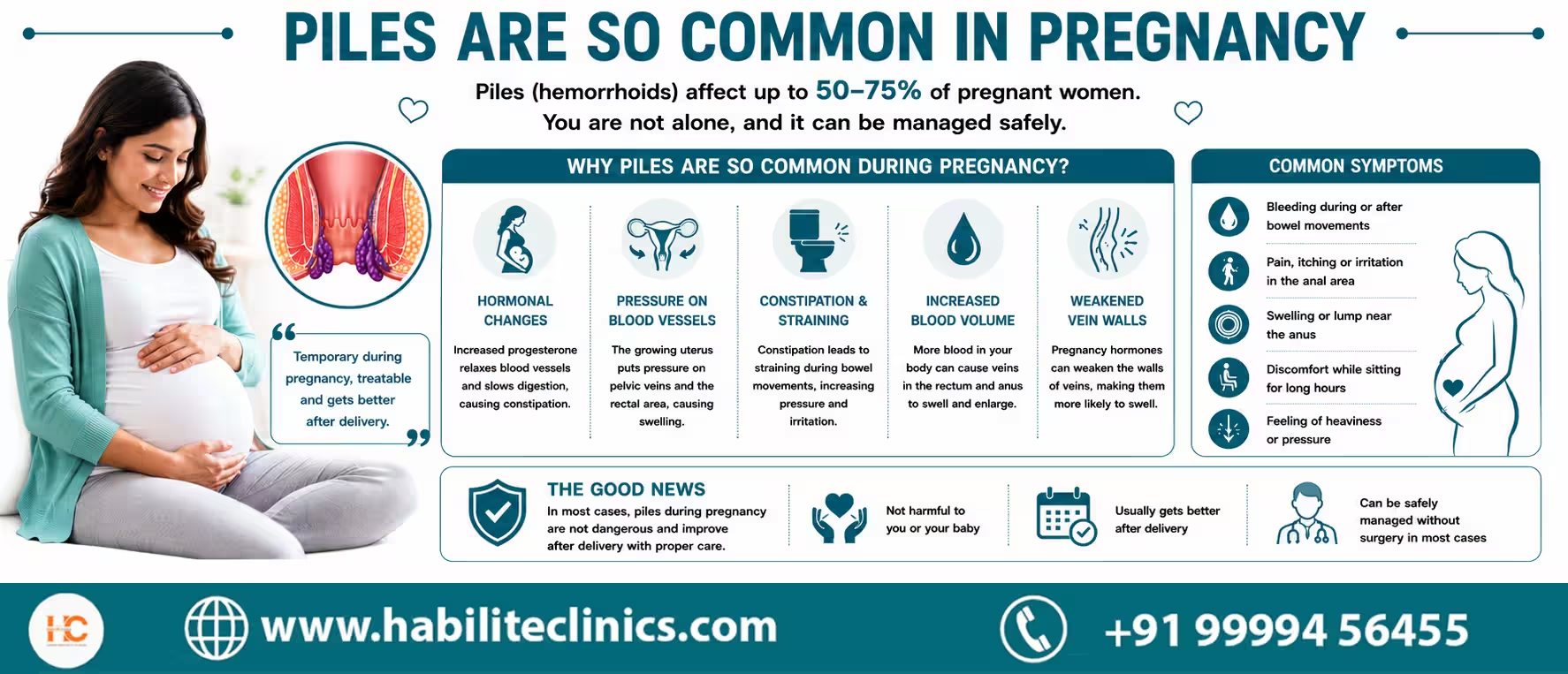
Piles, also called haemorrhoids, are swollen veins around the back passage. They form when blood pools and the walls stretch. Pregnancy makes this much more likely. About 30 to 40 out of every 100 pregnant women get them. Most start in the last three months.
Three things work against you at once:
- The growing baby and womb press down on the veins in your pelvis. Blood drains more slowly. So the veins swell.
- Your blood volume rises a lot in pregnancy. That puts extra load on those small veins.
- Pregnancy hormones soften the vein walls. They also slow the gut. So your stools turn hard. Straining then pushes the veins out even more.
Iron tablets are given to most pregnant women in India. These can make stools harder too. So the strain on the veins builds up, and so do the piles. For a full overview of all grades and treatment options, visit our Piles – A Complete Guide.
Signs and Symptoms to Watch For
Piles can be inside the back passage (internal) or under the skin around it (external). The signs are not the same for everyone. You may notice:
- Itching or a raw, sore feeling around the anus
- A soft lump near the anus that you can feel, often after passing stool
- Bright red blood on the tissue or in the toilet pan
- An ache or sharp pain when you sit or pass stool
- A little mucus or a feeling that the bowel is not fully empty
Internal piles often bleed but do not hurt. External piles tend to hurt more. A blood clot can form in an external pile — this is called a thrombosed pile, and it can be very painful all of a sudden.
Will Piles Harm My Baby?
No. Piles do not harm your baby at all. They affect you, not your baby. They are hard to bear, but they are not dangerous for the pregnancy in most cases.
Still, do not ignore bleeding. Blood from piles is mostly harmless. But it can come from other causes too. So always tell your doctor about any blood you see. If you are experiencing active bleeding right now, our guide on how to stop piles bleeding covers immediate steps you can take before your appointment.
First-Line Treatment: Safe Relief at Home
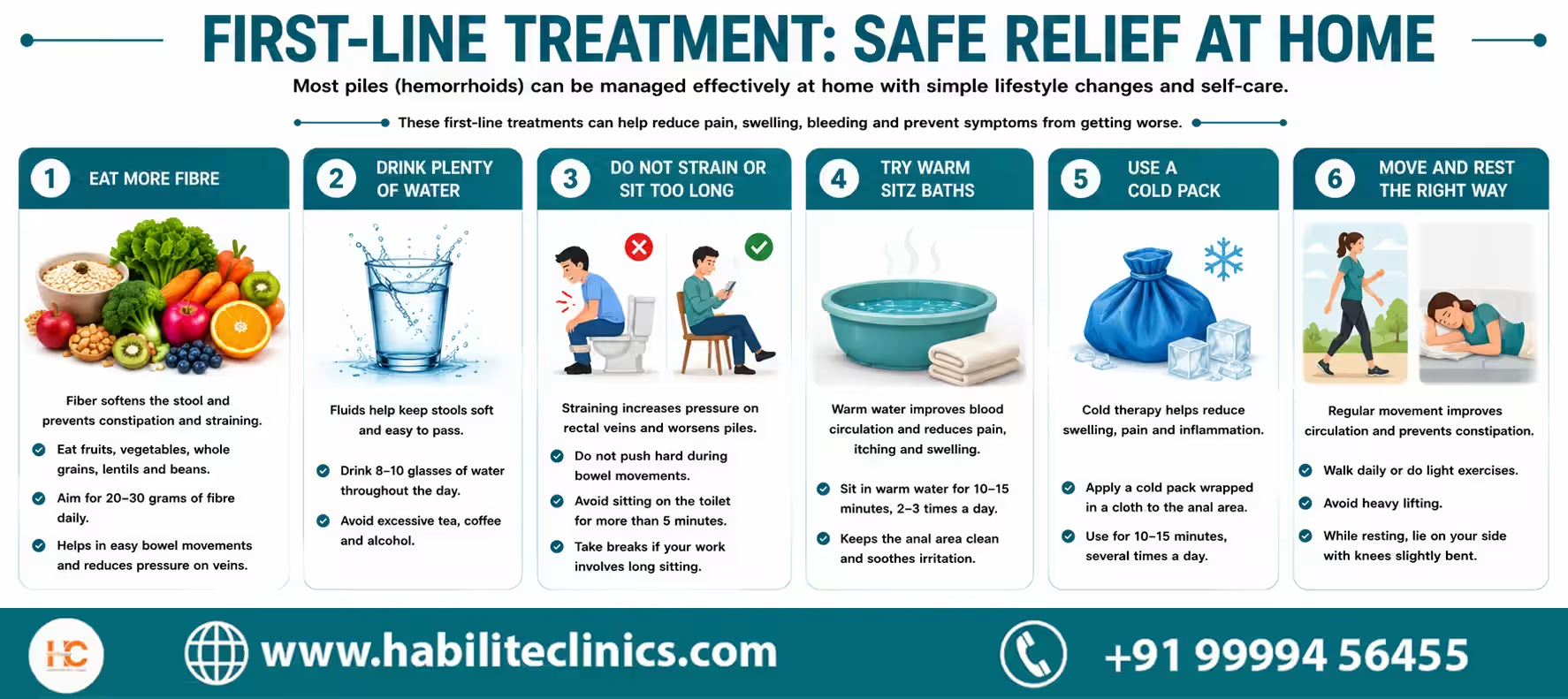
For nearly all pregnant women, simple steps are enough. This is where care should always start. None of these put your baby at risk.
1. Eat More Fibre
Fibre softens stool, so you do not have to strain. Add fruit, vegetables, dal, and whole grains to each meal. Isabgol (psyllium husk) is a safe, easy fibre that many of our patients use. For a full meal-by-meal Indian diet plan, read our guide on what to eat and avoid in piles.
2. Drink Plenty of Water
Aim for 2 to 3 litres a day. Warm jeera or saunf water helps too. Good hydration keeps stools soft and easy to pass.
3. Do Not Strain or Sit Too Long
Go to the toilet as soon as you feel the urge. Do not hold it in. Do not sit on the pot for long or push hard. Keep a small stool under your feet to raise your knees. This makes passing stool easier.
4. Try Warm Sitz Baths
Sit in a tub of warm (not hot) water for 10 to 15 minutes, two or three times a day. This soothes the area and brings down swelling. It is one of the most helpful things you can do at home.
5. Use a Cold Pack
Wrap ice in a clean cloth and hold it on the area for a few minutes. Never put ice straight on the skin. Cold helps with swelling and pain.
6. Move and Rest the Right Way
Take short, gentle walks. Lie on your left side when you rest. This eases pressure on the main vein. Simple Kegel moves also help blood flow in the area.
Most patients are surprised at how much relief these simple steps bring. There is no need for sedation or hospital admission for routine piles care during pregnancy.
Safe Medicines and When Surgery May Be Needed
If home steps are not enough, some medicines can help. But use only what your doctor approves. Never start a piles product on your own in pregnancy.
Safe Medicines During Pregnancy
- Pain relief: Paracetamol is safe in pregnancy when taken as advised. Avoid ibuprofen and similar painkillers unless your doctor says otherwise. Avoid codeine, as it causes hard stools.
- Creams and ointments: Many piles creams are used for short spells in pregnancy. Only a tiny amount is taken in by the body. Use only what your doctor picks, and use them briefly.
- Stool softeners: A pregnancy-safe stool softener can make a big difference if you are backed up. If your iron tablet is the problem, your doctor may switch you to a gentler, slow-release form.
When Is Piles Surgery Needed During Pregnancy?
Surgery is very rarely needed while you are pregnant. Most piles calm down with the steps above, then improve after the birth. Surgery is kept for a few urgent problems that do not settle any other way:
- A badly thrombosed external pile (a clot) that causes sudden, severe pain
- A trapped pile, where the blood supply is cut off
- Heavy bleeding that will not stop and starts to cause anaemia
For a painful clotted pile, a small clinic procedure can give fast relief. We numb the area with local numbing and gently remove the clot. This works best in the first three days, does not touch the pregnancy, and you go home the same day. Rectal symptoms can sometimes overlap with an anal fissure — if this is suspected during examination, Dr. Agrawal also provides anal fissure treatment as a separate, equally straightforward procedure.
Why Most Piles Surgery Is Planned for After Delivery
You may have read about stapler surgery, laser surgery, or rubber band treatment for piles. These work very well. But in pregnancy, we mostly wait. There are good reasons for this:
- Piles often shrink on their own within a few weeks of delivery, once the pressure and hormones return to normal
- Planned surgery may need numbing or body positions that are best avoided in pregnancy
- The area takes strain during a normal delivery, so healing is smoother afterwards
For most mothers, the plan is simple. We control the pain and bleeding now. Then, if the piles stay on after the birth, we treat them with a modern day-care procedure. Laser and stapler options are mostly planned about six weeks after the baby is born.
Piles After Delivery
Pushing during labour can make piles flare for a few days right after birth. This is normal. In most women, the piles then shrink within two to six weeks as the body heals. Keep up the same habits — fibre, water, sitz baths, no straining. If piles are still a problem after a month or two, come and see us. We can plan a lasting fix that fits a new mother's busy life.
A Quick Word From Dr. Agrawal
"In nearly every pregnant patient I see, piles settle with simple, safe steps. Surgery is the rare exception, not the rule. The smartest plan for most mothers is comfort now and a permanent fix later. We treat the pain during pregnancy and keep proper surgery for after the birth."
Actionable Tips You Can Start Today
- Add one extra serving of vegetables, dal, or fruit to your meals starting today
- Keep a glass of water by your bedside and drink it first thing in the morning
- Take a warm sitz bath for 10 to 15 minutes, two or three times a day
- Do not strain or sit on the toilet for long periods — go as soon as you feel the urge
- Lie on your left side when resting to ease pressure on pelvic veins
- If you notice heavy or repeated bleeding, severe pain, or a hard painful lump, book an examination — do not wait
For a broader set of daily habits that protect you long-term, our guide on how to prevent piles at home is worth bookmarking.
Mini Gastric Bypass Surgery Cost in Delhi
Get accurate cost estimate for your treatment
Why Choose Dr. Kapil Agrawal
Dr. Kapil Agrawal is a Senior Consultant Laparoscopic, Robotic & Bariatric Surgeon at Apollo Hospitals, Delhi NCR, with over 23 years of experience and more than 7,000 minimally invasive procedures to his name. He holds an MRCS from the Royal College of Surgeons, London, and an MMed from Singapore.
What sets Dr. Agrawal apart for piles care during pregnancy:
- Safety-first in pregnancy: a gentle, comfort-first plan that keeps both mother and baby safe, in close touch with your pregnancy doctor
- Thorough diagnosis: every patient gets a proper clinical examination to rule out other causes of bleeding before being labeled as "just piles"
- Practical, India-specific advice: dietary recommendations are built around real Indian meals and routines, not generic Western diet charts
- Modern, painless options after the birth: advanced laser and stapler day-care surgery, with quick healing and no large cuts — at Habilite Clinics' two centers in Lajpat Nagar and Hauz Khas, South Delhi
- Long-term focus: the goal is always to ease symptoms safely now and plan definitive treatment at the right time after delivery
At our Delhi clinics, we treat piles in pregnancy gently and step by step. We work with your pregnancy doctor at every step. The cost of simple care is small — often just the price of medicines. Day-care surgery later is quoted clearly after we check you. There are no surprises.
Habilite Clinics' Free Post-operative Care
We provide comprehensive free post-operative care to ensure your smooth recovery and optimal results. Our dedicated team is committed to your well-being throughout your healing journey.
Comprehensive Care
Complete post-operative support and monitoring
Expert Guidance
24/7 access to our medical team
Dedicated Support
Personalized care coordinator for each patient
Regular Follow-ups
Scheduled check-ups to ensure optimal recovery
What's Included in Our Free Post-operative Care:
- ✓Regular follow-up consultations with Dr. Kapil Agrawal
- ✓24/7 emergency support and guidance
- ✓Nutritional counseling and diet plans
- ✓Wound care and dressing assistance
- ✓Medication management and adjustments
- ✓Progress monitoring and recovery assessment
Chat with Expert for Free
Get instant answers to your questions from our medical experts via WhatsApp
Frequently Asked Questions
Common questions about piles treatment during pregnancy
Major piles surgery is mostly avoided in pregnancy. Most piles settle with safe home care and medicines, then improve after the birth. Surgery is kept for urgent problems, such as a very painful clotted pile or bleeding that will not stop. In those cases, a small procedure with local numbing can be done safely without harming the baby.
Yes, but only when truly needed. A painful external pile with a clot can be treated with a quick clinic procedure under local numbing, ideally in the first three days. Planned removal of internal piles, like laser or stapler surgery, is normally put off until after the birth.
Surgery during pregnancy is needed only in a few urgent cases. These include a badly clotted (thrombosed) external pile with severe pain, a trapped pile where the blood supply is cut off, or heavy bleeding that causes anaemia. Your surgeon and pregnancy doctor decide together, choosing the safest, smallest option.
No. Piles do not harm your baby. They affect you, not your baby. They can be painful and tiring, but they pose no risk to the pregnancy in most cases. Still, report any bleeding to your doctor so other causes can be ruled out.
In most women, yes. Once the baby is born, the pressure on the pelvic veins drops and hormone levels return to normal. Piles often shrink within two to six weeks. Keep eating fibre, drinking water, and avoiding straining to help them settle. If they stay on, a doctor can treat them properly.
Several piles creams are used for short periods in pregnancy, as only a tiny amount is taken in by the body. But none are fully cleared for pregnancy. So use only the product your doctor picks, and only for a short time. Do not pick one yourself from a shop shelf.
Paracetamol is safe for pain when taken as advised. Avoid ibuprofen and similar painkillers unless your doctor approves them. Avoid codeine pills, as they make stools harder and can make piles worse. Always check with your doctor first.
Bleeding from piles is mostly harmless and stops on its own. But you should never assume. Bleeding can sometimes point to another problem, so always tell your doctor about it. Heavy or repeated bleeding needs a proper check, as it can lead to anaemia.
These modern methods work very well. But they are mostly planned for after the birth, not during pregnancy. We prefer to ease your symptoms safely now, then do laser or stapler surgery about six weeks after the baby is born, if the piles are still a problem.
The best steps are eating more fibre, drinking 2 to 3 litres of water, and taking warm sitz baths two or three times a day. Cold packs ease swelling. Do not strain, do not sit too long on the toilet, and take gentle walks. Lying on your left side also helps.
The third trimester is when the baby is largest. The womb presses hardest on the pelvic veins. Your blood volume is at its peak too. Hard stools are also common at this stage. All of this makes piles much more likely in the last three months.
You cannot always stop them, but you can lower the risk. Eat plenty of fibre, drink lots of water, and stay gently active. Do not delay going to the toilet, and do not strain. If iron tablets make your stools hard, ask your doctor about a gentler one.
It can happen. Women who had piles in one pregnancy are more likely to get them again next time. The good news is that the same safe habits help. And treating any leftover piles before your next pregnancy can cut the trouble.
See a doctor if you have heavy or repeated bleeding, severe pain, a hard painful lump, or signs that do not get better with home care. Also come in for any bleeding you are unsure about. Early advice keeps you at ease and rules out other causes.