Sleeve Gastrectomy Surgery in Delhi Dr. Kapil Agrawal
If you have struggled with your weight for years and nothing seems to work for long, you are not alone. Many of the patients who walk into our clinics in Lajpat Nagar and Hauz Khas, New Delhi have tried every diet, every gym membership and every weight-loss product on the market. They are tired, and they are looking for an answer that actually lasts. If you have been searching for sleeve gastrectomy surgery in Delhi, this page walks you through everything you need to know before you decide.
Sleeve gastrectomy, often called gastric sleeve surgery, is one of the most reliable and widely performed weight-loss surgery in delhi the world today. It helps you eat less, feel full sooner and lose a significant amount of weight, while also improving or reversing conditions like type 2 diabetes, high blood pressure and sleep apnoea.
Dr. Kapil Agrawal, Senior Consultant Bariatric Surgeon, explains exactly what the surgery involves, who it is right for, how recovery works and what results you can realistically expect. Our goal is simple: to give you clear, honest information so you can make a confident decision about your health.
Set and Forget Type
Minimal Follow-up
No Supplements Required
Book Consultation
Schedule a consultation for Gallbladder Surgery with Dr. Kapil Agrawal
What Is Sleeve Gastrectomy?
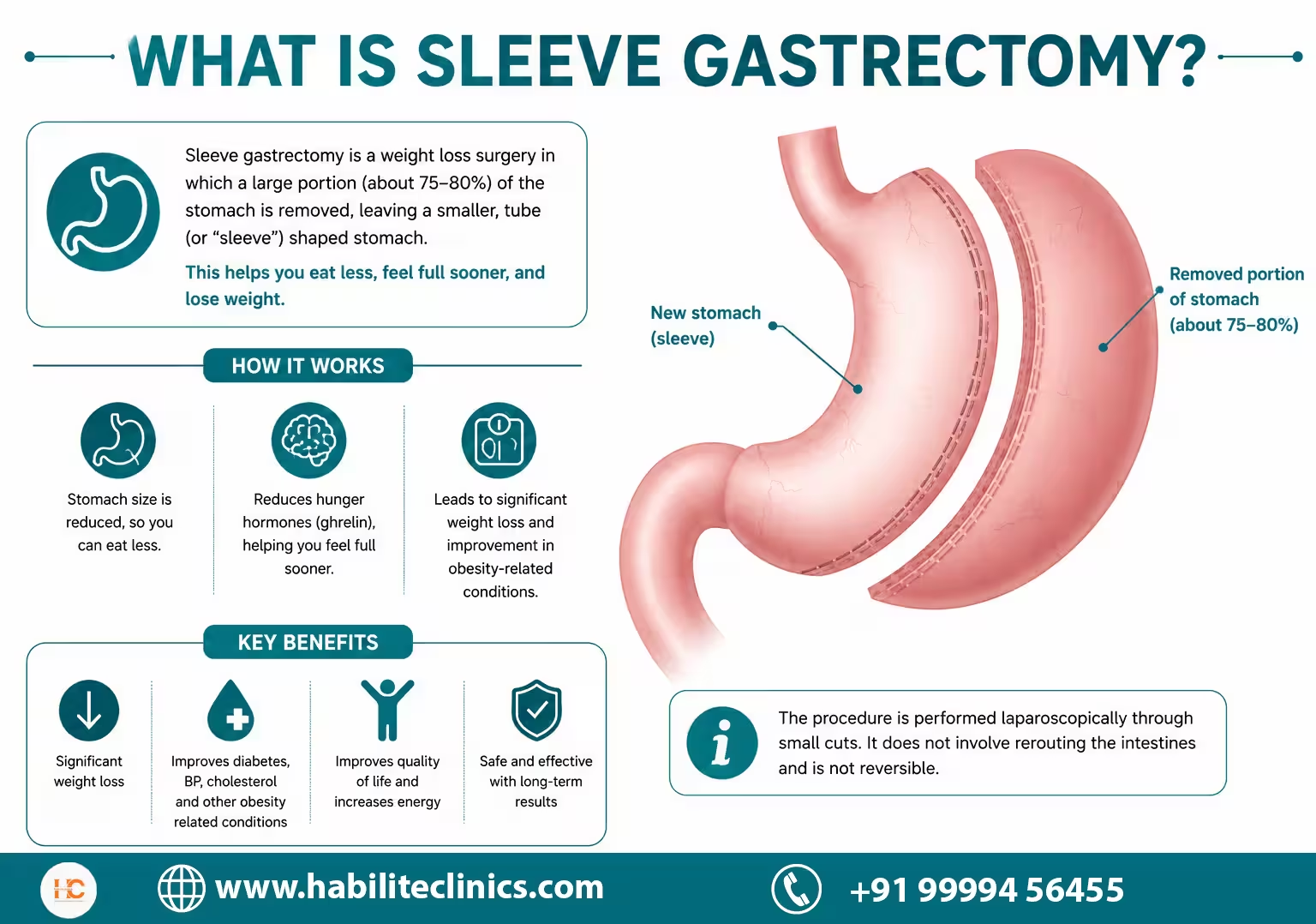
Sleeve gastrectomy is a keyhole (laparoscopic & robotic) weight-loss operation in which we remove about 75–80% of the stomach. What remains is a slim, banana-shaped tube — the “sleeve.” Your stomach goes from holding around 1.5 litres of food to roughly 200 millilitres.
Because the stomach is much smaller, you feel full after a small meal and naturally eat less. But the benefit goes deeper than size alone.
The part of the stomach we remove (the fundus) is the main source of ghrelin, the hormone that signals hunger to your brain. With far less ghrelin in your system, your appetite drops dramatically. This is why patients often tell us, a few weeks after surgery, that they simply do not think about food the way they used to.
Unlike gastric bypass, the sleeve does not reroute or bypass your intestines. Nothing is implanted, and food still travels through the normal digestive path. This keeps the operation simpler, lowers the risk of long-term vitamin malabsorption and makes follow-up easier.
Is it restrictive or metabolic?
Both. It was once thought of as a purely “restrictive” surgery — one that just limits how much you can eat. We now know it is also a metabolic surgery. By changing gut hormones, it improves the way your body handles blood sugar and insulin, which is why diabetes often improves within days of surgery, well before major weight loss happens.
How Sleeve Gastrectomy Helps You Lose Weight
The surgery works in three connected ways:
- Smaller portions: A small stomach means you feel satisfied after a modest plate of food.
- Reduced hunger: With less ghrelin, the constant urge to snack fades.
- Better metabolism: Hormonal changes help your body burn fat and control blood sugar more efficiently.
Together, these effects make it far easier to stick to healthy eating — not through willpower alone, but because your biology is finally working with you instead of against you.
Who Is the Right Candidate for Sleeve Gastrectomy?
One of the most important things we assess at Habilite Clinics is whether surgery is genuinely the right choice for you. Many clinics still use older Western weight criteria. We follow the most current and India-relevant standards.
In 2022, the American Society for Metabolic and Bariatric Surgery (ASMBS) and the International Federation for the Surgery of Obesity and Metabolic Disorders (IFSO) updated their guidelines. They recognised that people of Asian origin — including Indians — develop obesity-related disease at a lower body mass index (BMI) than Western populations, largely because of higher visceral (belly) fat.
Asian-specific BMI guidelines (2022 ASMBS/IFSO)
For Asian patients, the recommended thresholds are:
- BMI of 25 kg/m² or above is considered clinical obesity (compared with 30 in Western guidelines).
- BMI of 27.5 kg/m² or above, especially with a condition such as type 2 diabetes, high blood pressure, fatty liver, PCOS or sleep apnoea, means surgery should be considered.
- BMI of 32.5 kg/m² or above is generally an indication for surgery even without other health problems.
This matters because a patient who would be turned away under outdated Western cut-offs may, in fact, be an excellent candidate for surgery under these Asian-specific guidelines. During your consultation, Dr. Kapil Agrawal personally reviews your BMI, health conditions, past weight-loss efforts and goals before recommending any procedure.
You may be a candidate if you:
- Have a BMI in the range described above for Asian patients.
- Have struggled to lose weight despite diet, exercise or medication.
- Have a weight-related health problem such as diabetes, hypertension or joint pain.
- Are between roughly 18 and 65 years of age (we assess each case individually).
- Are ready to commit to long-term healthy eating and regular follow-up.
This matters because a patient who would be turned away under outdated Western cut-offs may, in fact, be an excellent candidate for surgery under these Asian-specific guidelines. During your consultation, Dr. Kapil Agrawal personally reviews your BMI, health conditions, past weight-loss efforts and goals before recommending any procedure.
Sleeve Gastrectomy Surgery Procedure
The sleeve gastrectomy surgery procedure is performed under general anaesthesia and usually takes about 60 to 90 minutes. Here is what to expect, step by step:
- We make a few small (keyhole) incisions in the upper abdomen, each less than a centimetre.
- A tiny camera (laparoscope) and fine instruments are passed through these openings.
- Using a surgical stapler, we carefully remove about 75–80% of the stomach, leaving a narrow sleeve.
- The removed portion is taken out through one of the small incisions.
- We check the staple line thoroughly to ensure it is secure and leak-free before closing.
Because the operation is laparoscopic, there is far less pain, less scarring and a much quicker recovery than open surgery.
Single-incision (scarless) sleeve gastrectomy
For selected patients, we also offer a single-port approach, where the entire operation is carried out through one small cut hidden inside the belly button. The result is a virtually scar-free abdomen, with even less discomfort and faster healing. Patients with a very high BMI, a previous abdominal surgery or certain liver conditions are usually advised to have the standard laparoscopic approach, which remains extremely safe and effective.
Advantages of Gastric Sleeve Surgery
Successful gastric sleeve surgery often has an enormous impact on patients' quality of life. Potential benefits include:
Rapid Weight Loss
Gastric sleeve surgery produces excellent weight loss and patient satisfaction.
Reduced Appetite
Because of profound hormonal changes, especially reduced levels of ghrelin, there is significantly reduced appetite and cravings for sweets.
Reduced Complications
This procedure is associated with fewer complications when compared to other bariatric procedures such as gastric bypass and mini gastric bypass, where the intestines are rerouted. Since there is no rerouting of intestines and they remain untouched, the chances of technical complications are quite low.
Minimal Follow-up, No Supplements
Gastric sleeve surgery is a set and forget type of surgery. Patients do not require stringent follow-ups as in other bariatric procedures. Since there is no re-routing of the intestines or any malabsorption, patients do not require any nutritional supplements.
Results of Gastric Sleeve Surgery
Weight Loss Results
The patients lose about 60%-70% of the excess body weight following weight loss surgery. One can achieve more weight loss by following a strict diet plan and regular exercise.
Diabetes Resolution
Gastric sleeve surgery can cure diabetes in 80% of the patients. In rest 20% of the patients, the requirement of medicines is greatly reduced. The duration of diabetes is one of the most important factor in deciding the results. If the duration of diabetes is less than 5 years, the chances of cure are very high.
For patients whose primary goal is blood sugar control, we also offer dedicated surgery for diabetes (metabolic surgery) tailored to that outcome.
Other Health Benefits
Because of significant weight loss, patients will find tremendous relief from back pain, hip pain, knee pain, and foot pain allowing them to walk and exercise more. After weight loss, patients also benefit from menstrual irregularity, sleep apnea, snoring and depression.
Is Sleeve Gastrectomy Right for You? Sleeve gastrectomy is best suited for patients with higher BMI. If your BMI is lower, or you are not yet ready for surgery, our medical weight loss programme and intragastric balloon may be more suitable starting points.
Is Sleeve Gastrectomy Right for You?
Sleeve gastrectomy is best suited for patients with higher BMI. If your BMI is lower, or you are not yet ready for surgery, our medical weight loss programme and intragastric balloon may be more suitable starting points.
Sleeve Gastrectomy Surgery Recovery Time
The sleeve gastrectomy surgery recovery time is usually shorter than people fear. Most patients are pleasantly surprised by how smooth recovery is. Here is a typical timeline, though your own pace may vary:
| Stage | What to expect |
|---|---|
| Hospital stay | Usually 1 to 2 nights. We have you walking the same day to aid healing. |
| First week | Clear liquids only. Mild tiredness and some discomfort are normal. |
| Weeks 2–3 | Move to pureed and soft foods. Most desk-job patients return to work. |
| Weeks 4–6 | Gradually reintroduce solid foods. Light exercise resumes. |
| After 6 weeks | Most normal activities, including more strenuous exercise, are back. |
Throughout this period, our dietitian guides you stage by stage, and Dr. Kapil Agrawal and the team remain available for any questions or concerns. You can also read more about life after bariatric surgery .
Eating After Sleeve Gastrectomy Surgery: The Diet Stages
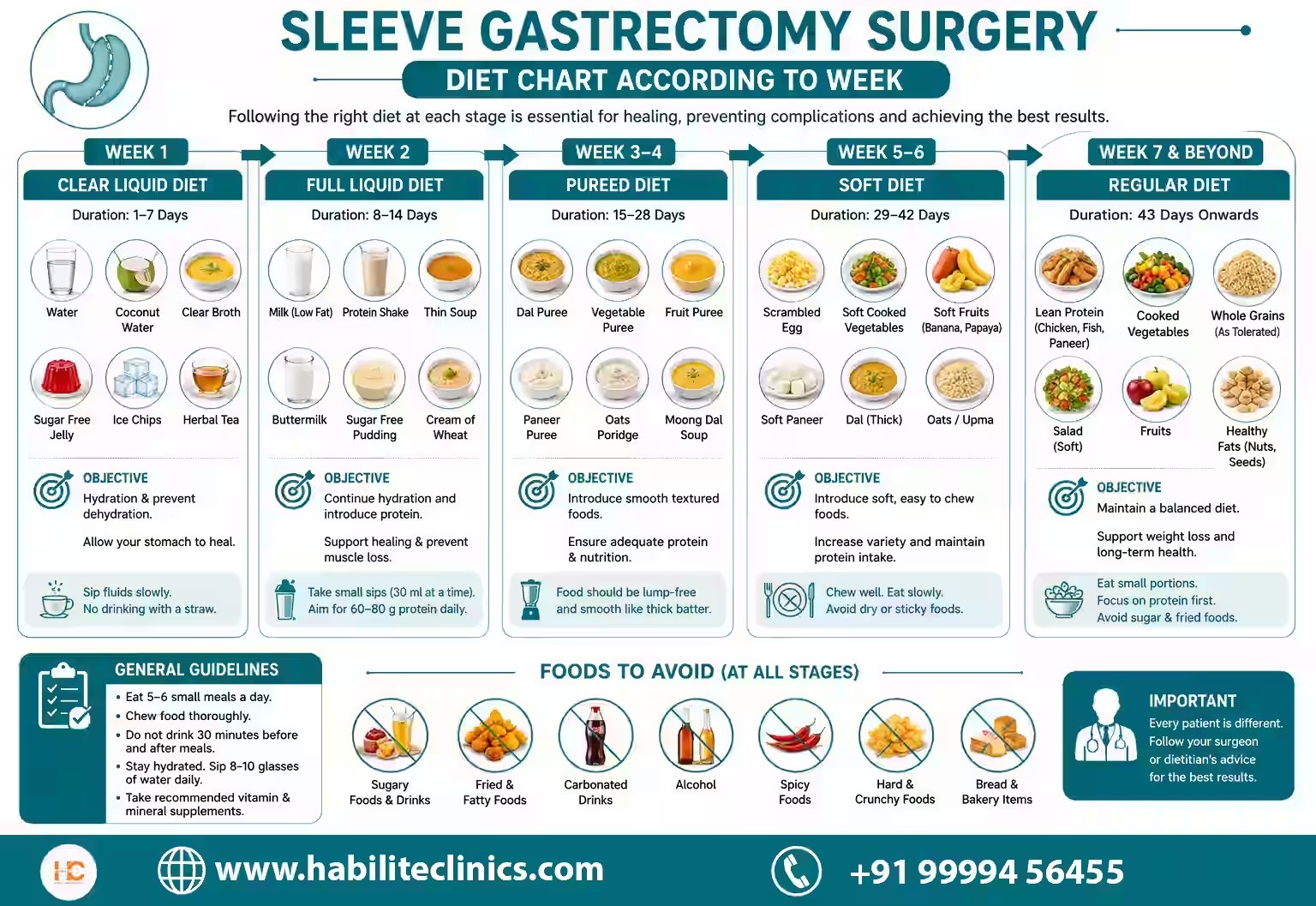
Your stomach needs time to heal, so we move through food textures slowly:
- Stage 1 (Week 1) – Clear liquids: water, clear dal water, thin coconut water, sugar-free electrolyte drinks. Sip slowly; no straws.
- Stage 2 (Week 2) – Full liquids: thin buttermilk, strained soups, milk, protein shakes.
- Stage 3 (Week 3) – Pureed foods: mashed dal, curd, soft khichdi, blended vegetables.
- Stage 4 (Weeks 4–6) – Soft foods: paneer, soft-cooked sabzi, eggs, soft fruits.
- Stage 5 (From week 6) – Regular healthy meals, focusing on protein first, eaten in small portions.
Protein is the priority at every stage. We also start you on a simple routine of daily vitamins, including B12, iron, calcium and vitamin D, to keep your body well-nourished as the weight comes off.
How Much Weight Will I Lose?
Results vary from person to person, but on average our gastric sleeve patients lose around 60 to 70% of their excess body weight within 12 to 18 months. Beyond the numbers on the scale, the health improvements are often life-changing.
The surgery frequently leads to:
- Improvement or remission of type 2 diabetes, sometimes within days.
- Lower blood pressure and reduced cholesterol.
- Relief from obstructive sleep apnoea.
- Better fertility and more regular cycles in women with PCOS.
- Reduced strain on knees, hips and the lower back.
- More energy, better mood and renewed confidence.
That said, surgery is a powerful tool, not a magic switch. The patients who do best are the ones who use the “honeymoon” period after surgery to build lasting habits around protein, portion control and movement.
Sleeve Gastrectomy vs Gastric Bypass: Which Is Right for You?
When patients weigh up sleeve gastrectomy vs gastric bypass, they are comparing the two most common weight-loss surgeries we perform. Neither is “better” in general — the right choice depends on your weight, health conditions and lifestyle. Here is a simple comparison:
| Feature | Sleeve Gastrectomy | Gastric Bypass |
|---|---|---|
| How it works | Removes most of the stomach | Small stomach pouch plus intestinal rerouting |
| Intestines bypassed | No | Yes |
| Vitamin needs | Lower | Higher |
| Best for severe reflux | Bypass often preferred | Yes |
| Diabetes control | Very good | Excellent |
If you have severe acid reflux (GERD), Dr. Kapil Agrawal may suggest gastric bypass instead, as the sleeve can sometimes worsen reflux. For others, a mini gastric bypass may be the better fit. This is exactly the kind of personalised decision we make together during your consultation.
Are There Any Risks or Sleeve Gastrectomy Side Effects?
The side effects of sleeve gastrectomy surgery are usually minor and settle within the first few weeks. It is a safe, well-established operation, and at experienced centres complication rates are very low. Still, every surgery carries some risk, and we believe in being completely transparent. Possible risks include:
- Bleeding or infection (uncommon).
- A leak from the staple line (rare, and carefully checked for during surgery).
Sleeve Gastrectomy Surgery Cost in Delhi
The sleeve gastrectomy surgery cost in Delhi is one of the first questions almost every patient asks, and it is a fair one. The cost of gastric sleeve surgery in Delhi typically ranges from around ₹2,50,000 to ₹4,50,000, depending on the hospital, the surgeon’s experience, the type of room, and whether advanced techniques such as single-incision surgery are used. For a detailed breakdown of every factor that affects pricing — hospital infrastructure, stapler quality, surgeon experience, procedure type and insurance — see our complete guide to bariatric surgery cost in Delhi.
Many health insurance policies in India now cover bariatric surgery when it is medically indicated, particularly for patients with obesity-related conditions such as diabetes. Our team helps you understand your coverage and assists with the paperwork. During your consultation, we provide a clear, itemised estimate with no hidden charges.
Sleeve Gastrectomy Surgery Cost in Delhi
Get accurate cost estimate for your treatment
Why Choose Dr. Kapil Agrawal for Sleeve Gastrectomy Surgery in Delhi?
Choosing the right surgeon is the most important decision you will make on this journey. Here is why patients across Delhi NCR and from abroad trust Dr. Kapil Agrawal and the team at Habilite Clinics:
- Senior Consultant Bariatric Surgeon at Apollo Hospitals, Delhi NCR, with 23+ years of surgical experience.
- Internationally trained: MBBS, MS (Surgery), MRCS (London) and MMed (Singapore).
- Over 7,000 minimally invasive and laparoscopic procedures performed.
- Among the few surgeons in Delhi offering scar-free single-incision surgery in suitable patients.
- Decisions guided by the latest evidence, including the 2022 ASMBS/IFSO Asian-specific guidelines.
- A complete team approach: experienced dietitians, structured follow-up and long-term support.
- Two convenient clinic locations in South Delhi – Lajpat Nagar and Hauz Khas.
If you have been searching for sleeve gastrectomy surgery near me, our two South Delhi clinics in Lajpat Nagar and Hauz Khas make expert bariatric care easy to reach from anywhere in Delhi NCR. From your first consultation to years after surgery, our promise is simple: honest advice, world-class surgical care and a team that walks the whole journey with you.
Ready to take the first step? Book a consultation with Dr. Kapil Agrawal at Habilite Clinics to find out whether this surgery is right for you. Call us or fill in the enquiry form to get started.
Recovery & Aftercare
Recovery Time
Most patients are discharged within 24 hours after sleeve gastrectomy surgery. Full recovery typically takes 2-4 weeks with gradual return to normal activities.
Follow-up Care
Regular follow-up appointments with nutrition counseling help ensure optimal weight loss results. Our team of bariatric nutritionists provide continuous support throughout your weight loss journey.
No Supplements Required
Since there is no re-routing of the intestines or any malabsorption, patients do not require any nutritional supplements, making it a low-maintenance procedure.
Habilite Clinics' Free Post-operative Care
We provide comprehensive free post-operative care to ensure your smooth recovery and optimal results. Our dedicated team is committed to your well-being throughout your healing journey.
Comprehensive Care
Complete post-operative support and monitoring
Expert Guidance
24/7 access to our medical team
Dedicated Support
Personalized care coordinator for each patient
Regular Follow-ups
Scheduled check-ups to ensure optimal recovery
What's Included in Our Free Post-operative Care:
- ✓Regular follow-up consultations with Dr. Kapil Agrawal
- ✓24/7 emergency support and guidance
- ✓Nutritional counseling and diet plans
- ✓Wound care and dressing assistance
- ✓Medication management and adjustments
- ✓Progress monitoring and recovery assessment
Chat with Expert for Free
Get instant answers to your questions from our medical experts via WhatsApp
Contact Our Bariatric Team
Learn if you qualify for most advanced single port gastric sleeve surgery. Our team is happy to speak with you and help you understand any of the treatments we offer or answer any questions you have.
You can contact us on:
+91-9999456455, +91-9910024564
Frequently Asked Questions
Common questions about sleeve gastrectomy (gastric sleeve) surgery
Yes. Because we remove a large part of the stomach, the sleeve cannot be reversed. This permanence is part of why it produces such lasting results. For most patients this is reassuring, as the smaller stomach and reduced hunger continue to support weight loss for years.
Most patients lose around 60 to 70% of their excess body weight within 12 to 18 months. Your final result depends on how closely you follow the recommended diet, stay active and attend follow-up visits.
Most patients stay in hospital for 1 to 2 nights. Those with desk jobs usually return to work within 2 to 3 weeks, and most normal activities, including exercise, resume by around 6 weeks.
Because the surgery is done through tiny keyhole incisions, pain is usually mild and well controlled with medication. Most patients are walking the same day and describe the discomfort as far less than they expected.
No. The standard keyhole approach leaves only a few tiny marks. For suitable patients, we also offer single-incision surgery through the belly button, which leaves the abdomen virtually scar-free.
For Asian patients, surgery is generally considered at a BMI of 27.5 or above when combined with a condition like diabetes or high blood pressure, and at a BMI of 32.5 or above even without other health problems. Dr. Kapil Agrawal will assess your individual case during your consultation.
Many patients see their type 2 diabetes improve dramatically or go into remission, often within days of surgery due to hormonal changes. Results vary, and your diabetes specialist will continue to monitor you, but the improvement is frequently significant.
You progress slowly from clear liquids in the first week, to full liquids, pureed foods and soft foods, reaching normal healthy meals at around 6 weeks. Protein is the priority at every stage, with portions kept small.
The sleeve is a powerful long-term tool, but it works best alongside healthy habits. A small amount of weight regain can happen over the years, which is why ongoing follow-up, protein-focused eating and regular activity matter so much.
The sleeve removes most of the stomach but leaves the intestines untouched, while gastric bypass also reroutes the intestine. The sleeve is simpler with fewer vitamin issues, but for patients with severe reflux, bypass is often the better choice.
Some patients with very large weight loss notice loose skin, which can be managed with exercise, good nutrition and, if needed, body-contouring procedures later. We will discuss what to expect based on your starting weight.
Costs generally range from about ₹2,50,000 to ₹4,50,000 depending on the hospital, surgeon and technique. Many insurance policies now cover the surgery when medically indicated, and our team helps you with the process.
Yes. It is one of the most commonly performed and well-studied weight-loss surgeries worldwide, with very low complication rates at experienced centres. Choosing a high-volume surgeon like Dr. Kapil Agrawal further reduces risk.