
Post-Cholecystectomy Syndrome - Causes & Management
Table of Contents
Key Takeaways
- Post-cholecystectomy syndrome affects 5-40% of patients after gallbladder removal surgery
- Common symptoms include abdominal pain, diarrhea, bloating, nausea, and digestive discomfort
- Main causes include bile duct stones, sphincter of Oddi dysfunction, bile acid diarrhea, and pre-existing digestive conditions
- Diagnosis involves ultrasound, MRCP, ERCP, blood tests, and careful medical history
- Treatment includes dietary changes, medications, endoscopic procedures, and rarely revision surgery
- Most patients find relief through proper medical management and lifestyle modifications
- Early diagnosis and expert care at specialized centers like Habilite Clinics improve outcomes significantly
Post-Cholecystectomy Syndrome: What Happens When Symptoms Continue After Gallbladder Surgery
You finally had your gallbladder removed. You were told the pain would go away. You were expecting to feel better.
But weeks or months later, you still feel uncomfortable. The pain hasn't completely gone. Your digestion feels off. You're running to the bathroom more than before. You feel bloated after meals.
You're not alone. And you're not imagining it.
At Habilite Clinics in South Delhi, we see patients with these concerns regularly. Our team led by Dr. Kapil Agrawal has helped hundreds of people understand and manage what's called post-cholecystectomy syndrome.
This guide will help you understand what post-cholecystectomy syndrome is, why it happens, and most importantly — what we can do about it.
What Is Post-Cholecystectomy Syndrome?
Post-cholecystectomy syndrome (PCS) is a collection of digestive symptoms that can appear after your gallbladder has been removed. The word 'cholecystectomy' means gallbladder removal surgery. 'Post' means after. So this syndrome describes problems that happen after the surgery.
Here's what makes it confusing: the symptoms can show up right after surgery. Or they might appear weeks, months, or even years later.
Research shows that between 5% to 40% of people experience some form of post-cholecystectomy syndrome. That means if 100 people have gallbladder surgery, anywhere from 5 to 40 of them might have ongoing symptoms.
At our clinic in Lajpat Nagar and Hauz Khas, Dr. Kapil Agrawal and our team make sure every patient knows this is possible before surgery. We believe in being honest about what to expect.
What Are The Symptoms of Post-Cholecystectomy Syndrome?
The symptoms can vary from person to person. Some people have just one symptom. Others have several. Here's what we commonly see at Habilite Clinics:
Abdominal Pain
Many patients tell us they still feel pain in the right upper part of the belly. This is where your gallbladder used to be. The pain might feel sharp or dull. It can come and go. Sometimes it spreads to your right shoulder or back.
Diarrhea
This is one of the most common complaints we hear. After eating, especially fatty foods, you might need to rush to the toilet. The diarrhea can be watery. It might happen several times a day. For some people, this becomes a daily struggle.
Why does this happen? Without your gallbladder, bile flows continuously into your intestine instead of being stored and released when needed. This constant bile can irritate your colon and cause loose stools.
Bloating and Gas
Your belly might feel full and tight. You might pass gas more than usual. Your clothes might feel tighter around your waist. This bloating often gets worse after meals.
Nausea and Vomiting
Some patients feel sick to their stomach. You might feel nauseous after eating. In severe cases, you might vomit. This can make you afraid to eat, leading to weight loss.
Heartburn and Acid Reflux
You might experience a burning feeling in your chest. Acid might come up into your throat. This happens more when you lie down or bend over. Some patients need to sleep with their head elevated.
Jaundice (Yellowing)
In serious cases, your skin or the whites of your eyes might turn yellow. This is called jaundice. It happens when bile is not flowing properly. If you see this, call us immediately. This needs urgent attention.
Fever and Chills
If you develop a fever with abdominal pain, this could mean an infection in your bile ducts. This is a medical emergency. Don't wait — seek help right away.
What Causes Post-Cholecystectomy Syndrome?
There isn't just one cause. Post-cholecystectomy syndrome can happen for many different reasons. At Habilite Clinics, Dr. Kapil Agrawal carefully investigates each case to find the exact cause. Here are the common reasons:
1. Retained or New Bile Duct Stones
Sometimes small stones remain in your bile ducts even after surgery. Or new stones can form. These stones can block the flow of bile. This causes pain, jaundice, and sometimes infection.
Research shows this happens in about 8-10% of cases. We use advanced imaging to find these stones. Many can be removed without major surgery.
2. Sphincter of Oddi Dysfunction
The sphincter of Oddi is a small muscle that controls bile flow into your intestine. After gallbladder removal, this muscle can sometimes tighten too much or not work properly.
When this happens, bile gets trapped. This causes pain similar to gallstone pain. The pain usually comes in episodes. It can be quite severe.
3. Bile Acid Diarrhea
Your liver makes bile all the time. With a gallbladder, bile is stored and released when you eat. Without a gallbladder, bile drips constantly into your intestine.
Too much bile in the colon acts like a laxative. This causes the diarrhea that many patients experience. Some studies suggest this affects up to 30% of people after gallbladder removal.
4. Bile Duct Injury or Stricture
During surgery, the bile ducts can rarely be injured. Or scar tissue can form later, making the duct narrow. This is called a stricture. When bile can't flow freely, it causes pain, infection, and jaundice.
At Habilite Clinics, we take extra care during laparoscopic gallbladder surgery to avoid these injuries. Dr. Kapil Agrawal uses advanced robotic and laparoscopic techniques with excellent visualization to minimize risks.
5. Cystic Duct Remnant or Stump
Sometimes a long piece of the cystic duct (the tube that connected your gallbladder) is left behind. Stones can form in this remnant. Or it can become inflamed. This causes pain that feels just like gallbladder pain.
6. Pre-Existing Conditions
Sometimes gallbladder problems were hiding other issues. Once the gallbladder is removed, these conditions become obvious. These include:
Gastritis (stomach inflammation)
Peptic ulcers
Irritable bowel syndrome (IBS)
Acid reflux disease (GERD)
Chronic pancreatitis
This is why our team at Habilite Clinics does thorough testing before recommending gallbladder surgery. We want to make sure the gallbladder is really the problem.
7. Pancreatitis
Inflammation of the pancreas can cause similar pain to gallbladder problems. If pancreatitis was there before surgery or develops after, it can cause ongoing symptoms.
How Do We Diagnose Post-Cholecystectomy Syndrome at Habilite Clinics?
Finding the exact cause is important for proper treatment. Dr. Kapil Agrawal and our team use a step-by-step approach:
Medical History
We start by listening carefully. When did symptoms start? What makes them better or worse? How is your diet? Have you lost weight? Every detail helps us understand what might be wrong.
Physical Examination
Dr. Agrawal examines your abdomen. We check for tenderness, masses, or signs of jaundice. Sometimes the physical exam gives us important clues.
Blood Tests
We check your liver function. We look for signs of infection. We measure bilirubin levels (which increase with bile duct blockage). We check pancreatic enzymes. These tests can show if there's inflammation or blockage.
Abdominal Ultrasound
This is usually the first imaging test we do. It's painless and safe. Ultrasound can show if your bile ducts are dilated (widened). It can find stones. It can detect fluid collections.
MRCP (Magnetic Resonance Cholangiopancreatography)
This special MRI scan gives us detailed pictures of your bile ducts and pancreatic duct. It doesn't require any needles or tubes. It's excellent for finding stones, strictures, or other abnormalities.
ERCP (Endoscopic Retrograde Cholangiopancreatography)
This is both a diagnostic and treatment procedure. We pass a thin, flexible tube through your mouth into your small intestine. We can see your bile ducts directly. We can remove stones. We can open up narrowed areas. We can place stents to keep ducts open.
At Habilite Clinics, we work with expert gastroenterologists who perform ERCP with great skill and care.
CT Scan
Sometimes we need a CT scan for better detail. This helps rule out other problems. It can show complications from surgery. It gives us a complete picture of your abdomen.
Endoscopy
If we suspect stomach problems like ulcers or gastritis, we might recommend an upper endoscopy. This lets us look directly at your stomach and upper intestine.
How Do We Treat Post-Cholecystectomy Syndrome?
Treatment depends on what's causing your symptoms. There's no single treatment that works for everyone. That's why proper diagnosis is so important. Here's how we help patients at Habilite Clinics:
Dietary Changes
For many patients, changing what and how you eat makes a big difference. Our nutritionists at Habilite Clinics create personalized diet plans after laparoscopic surgery. Here's what usually helps:
Eat smaller meals more frequently instead of three large meals
Reduce fatty and fried foods as they're harder to digest without a gallbladder
Avoid very spicy foods if they trigger symptoms
Increase fiber gradually as soluble fiber can help with diarrhea
Try adding Isabgol (psyllium husk) to your diet
Drink plenty of water throughout the day
Keep a food diary to identify trigger foods
In India, we understand that diet is closely tied to culture and family. We work with you to modify traditional foods rather than asking you to give them up completely.
Medications
Different medicines help different problems:
For bile acid diarrhea: We prescribe bile acid binders like cholestyramine. These medicines bind excess bile in your intestine. This reduces diarrhea. Most patients see improvement within a few days.
For acid reflux, proton pump inhibitors (PPIs) or H2 blockers reduce stomach acid. These help with heartburn and acid-related pain.
For pain: We use antispasmodic medicines to relax the bile ducts and reduce cramping pain. We avoid heavy painkillers when possible.
For nausea: Anti-nausea medicines can provide relief while we address the underlying cause.
Antibiotics: If there's an infection in the bile ducts (cholangitis), we treat it promptly with appropriate antibiotics.
Endoscopic Procedures (ERCP)
When stones are trapped in the bile duct or if there's a stricture, ERCP can often fix the problem without major surgery:
Stone removal using special baskets or balloons
Sphincterotomy — cutting the sphincter of Oddi to improve bile flow
Balloon dilation to widen narrow areas
Stent placement to keep ducts open
Most patients feel much better after ERCP if stones or strictures were the problem. Recovery is quick, usually just a day or two.
Revisional Surgery
Surgery is rarely needed. But if other treatments don't work, Dr. Kapil Agrawal might recommend:
Removing a retained cystic duct stump
Repairing a bile duct injury
Reconstructing a narrowed bile duct
Our team uses minimally invasive techniques whenever possible. This means smaller cuts, less pain, and faster recovery.
Treatment for Pre-Existing Conditions
If we find that your symptoms come from a different condition like IBS, gastritis, or GERD, we treat that specific problem. Sometimes patients need to see both a surgeon and a gastroenterologist.
Living With Post-Cholecystectomy Syndrome: Practical Tips
While we work on treating the cause, here are things you can do at home to feel better:
Eat Mindfully
Don't rush your meals. Chew food thoroughly. Put your fork down between bites. This helps your body digest food better without a gallbladder.
Stay Hydrated
If you have diarrhea, you lose a lot of water. Drink 8-10 glasses of water daily. Add ORS (oral rehydration solution) if diarrhea is severe.
Exercise Gently
Walking helps your digestion. It reduces bloating. Start with 10-15 minutes after meals. Gradually increase as you feel better.
Manage Stress
Stress makes digestive symptoms worse. Try deep breathing exercises. Practice meditation or yoga. Get enough sleep. Do activities you enjoy.
Keep a Symptom Diary
Write down what you eat and how you feel. Note when symptoms are worse or better. This information helps us adjust your treatment.
Don't Ignore Warning Signs
Call Habilite Clinics immediately if you have:
Severe abdominal pain
High fever with chills
Yellowing of skin or eyes
Dark urine or pale stools
Persistent vomiting
Unexplained weight loss
These could be signs of a serious complication that needs immediate care.
Can Post-Cholecystectomy Syndrome Be Prevented?
We can't prevent it completely. But we can reduce the risk. At Habilite Clinics, Dr. Kapil Agrawal takes several steps:
Thorough Pre-Surgery Evaluation
Before recommending surgery, we make absolutely sure your gallbladder is the problem. We do complete testing. We rule out other conditions. We discuss all options with you.
Sometimes we find that the gallbladder isn't the main issue. In those cases, we save you from unnecessary surgery.
Checking For Bile Duct Stones
Before gallbladder surgery, we look carefully for stones in the bile duct. If we find any, we can remove them during or before the gallbladder operation. This prevents problems later.
Expert Surgical Technique
Dr. Agrawal has performed over 7,000 advanced laparoscopic and robotic procedures. Experience matters. Skilled surgery reduces the risk of bile duct injury. It ensures the cystic duct is not left too long. It minimizes complications.
We use high-definition cameras and advanced instruments. This gives us excellent visibility. We can see exactly what we're doing.
Patient Education
Before surgery, we explain what to expect. We talk about diet changes you'll need to make. We discuss possible symptoms. When patients know what's normal and what's not, they can get help early if problems develop.
Follow-Up Care
After surgery, we don't just send you home and forget about you. We schedule follow-up visits. We check how you're recovering. We answer your questions. We adjust treatment if needed.
Our patients can call us with concerns. We're here to support you through your recovery.
When Should You See Dr. Kapil Agrawal at Habilite Clinics?
Don't suffer in silence. If you've had gallbladder surgery and you're still having symptoms, we can help. Here's when you should schedule an appointment:
Abdominal pain that doesn't go away or keeps coming back
Diarrhea lasting more than a few weeks after surgery
Severe bloating that affects your daily life
Nausea or vomiting that prevents you from eating normally
Any yellowing of skin or eyes
Fever with abdominal pain
Weight loss that you can't explain
Symptoms that limit your work or social activities
Remember: early diagnosis and treatment usually lead to better outcomes. Don't wait until symptoms become unbearable.
Why Choose Habilite Clinics For Post-Cholecystectomy Syndrome Treatment?
Expertise You Can Trust
Dr. Kapil Agrawal is a senior consultant laparoscopic, robotic, and bariatric surgeon at Apollo Hospitals, Delhi NCR. He has 23+ years of surgical experience.
Advanced Technology
We use the latest diagnostic equipment. Our surgical facilities at Apollo Hospitals are world-class. We offer robotic surgery for complex cases. This means better precision and faster recovery.
Personalized Care
Every patient is different. We don't use a one-size-fits-all approach. Dr. Agrawal takes time to understand your specific situation. We create treatment plans tailored to you.
Conclusion: You Don't Have To Live With Discomfort
Post-cholecystectomy syndrome is real. It's not in your head. And most importantly, it's treatable.
At Habilite Clinics, Dr. Kapil Agrawal and our team have helped countless patients find relief from post-surgery digestive problems. We understand the frustration of ongoing symptoms after an operation that was supposed to make you feel better.
With proper diagnosis, we can identify exactly what's causing your symptoms. With the right treatment, whether it's diet changes, medication, endoscopic procedures, or rarely surgery, we can help you get back to normal life.
You deserve to feel well. You deserve to enjoy food without fear. You deserve to live without constant digestive discomfort.
Don't wait. Don't suffer in silence. Don't assume this is just how life will be now.
Reach out to us. Let our experienced team help you find answers and solutions.
Schedule Your Consultation at Habilite Clinics Today
If you're experiencing symptoms after gallbladder surgery, we're here to help. Dr. Kapil Agrawal offers expert evaluation and treatment for post-cholecystectomy syndrome.
Need expert guidance?
Frequently Asked Questions
Studies show it affects between 5% to 40% of people who have had gallbladder removal surgery. The wide range depends on how strictly we define the syndrome. Mild, temporary symptoms are common. Severe, long-lasting symptoms are less common.
Sometimes yes, sometimes no. Mild diarrhea and bloating often improve within a few months as your body adjusts. But if symptoms are caused by stones, strictures, or other structural problems, they won't go away without treatment. That's why it's important to get properly evaluated.
Yes, but you may need to modify how you prepare it. Most people can eventually eat most foods. Start with simple, low-fat preparations. Gradually add spices and variety. Avoid deep-fried foods like pakoras and samosas initially. Choose tandoori over fried. Use less oil in curries. Our nutritionist can help you adapt your favorite dishes.
No. Most cases can be managed with diet changes and medication. Endoscopic procedures (ERCP) can fix many problems without surgery. Only a small percentage of patients need another operation.
For most people, diarrhea improves within 2-3 months as the body adjusts to constant bile flow. Some people have ongoing mild diarrhea, especially after fatty meals. Bile acid sequestrants can help control this. A small percentage have chronic diarrhea that needs long-term management.
Yes. New bile duct stones can form years later. Strictures can develop slowly over time. Pre-existing conditions might become symptomatic years after surgery. This is why it's important to mention your surgical history whenever you see a doctor for digestive problems.
Limit deep-fried foods, heavy cream-based dishes, fatty meats, and excessive ghee or butter. Reduce very spicy foods if they cause problems. Avoid large portions. Everyone is different — some people tolerate foods that others can't. Keep a food diary to identify your personal triggers.
Usually not. Most cases of PCS are not due to surgical errors. They happen because of how your body adjusts to life without a gallbladder. Or because of pre-existing conditions. That said, choosing an experienced surgeon like Dr. Kapil Agrawal reduces the risk of complications during surgery.
Usually not. Most cases of PCS are not due to surgical errors. They happen because of how your body adjusts to life without a gallbladder. Or because of pre-existing conditions. That said, choosing an experienced surgeon like Dr. Kapil Agrawal reduces the risk of complications during surgery.
It depends on the cause. If we remove stones or fix a stricture, symptoms usually resolve completely. If you have bile acid diarrhea, you might need medication long-term, but many people eventually stop needing it. If symptoms come from a chronic condition like IBS, you'll need ongoing management.
Dr. Kapil Agrawal
Senior Consultant at Apollo Group of Hospitals
About the Doctor
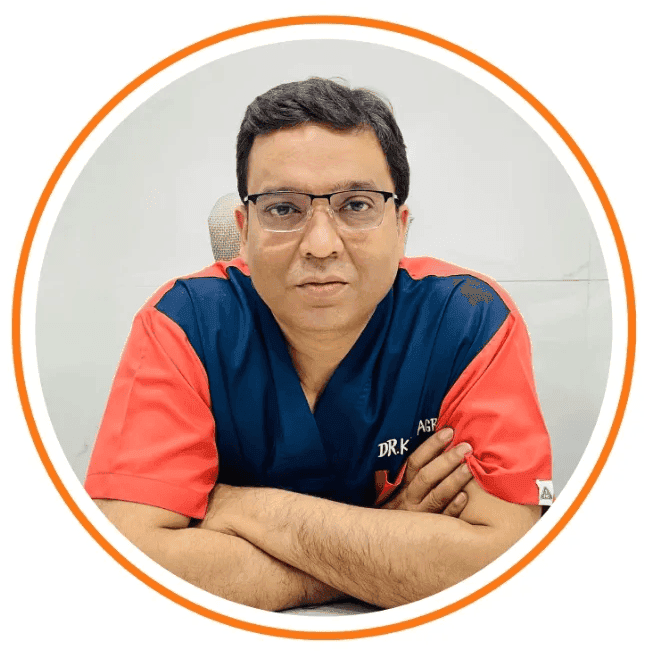
Dr. Kapil Agrawal
Senior Consultant - Laparoscopic & Robotic Surgeon
Dr. Kapil Agrawal is a leading and one of the best Robotic and Laparoscopic Surgeon in Delhi, India. He has an overall experience of 23 years and has been working as a Senior Consultant Surgeon at Apollo Group of Hospitals, New Delhi, India. He is performing advanced laparoscopic and robotic surgeries for various conditions, which include Gallbladder stones, Hernia, Appendicitis, Rectal prolapse, and pseudo-pancreatic cyst.
Qualifications
- •MBBS - Institute of Medical Sciences, BHU, Varanasi
- •MS (Surgery) - Institute of Medical Sciences, BHU, Varanasi
- •MRCS (London, U.K) - Royal College of Surgeons, London