
What to Eat After Laparoscopic Surgery and What to Avoid?
Table of Contents
Key Takeaways
What to Eat After Laparoscopic Surgery and What to Avoid?
A medically supervised diet after laparoscopic surgery plays a very important role in the post-operative recovery of the patient. Whether performed for gallbladder removal, appendectomy, hernia repair, or diagnostic exploration, laparoscopic procedures involve abdominal structures that require a period of digestive rest and gradual reintroduction of food. It is essential to take the necessary dietary measures at this stage to decline complications and speed up the recovery of tissue damage.
We have outlined a structured diet plan customized for post-laparoscopic surgery. It includes everything that you need to recover easily after laparoscopic surgery and live a healthy life ahead.
Significance of Diet After Laparoscopic Surgery
- Smoothens surgical and inner tissue healing
- Decreases the risk of post-operative complications
- Reduces the abdominal pain associated with gas retention
- Strengthens your immunity and restores energy
- Enhances overall clinical recovery outcomes
Read More: [Laparoscopic vs Open Gallbladder Surgery: What's Right for You?](/laparoscopic-surgery/gallbladder-surgery)
Nutritional Post Laparoscopic Surgery Diet: Stage Wise
Stage 1: Stay on Liquid Diet (First 24-48 hours)
You can start with some easily digestible and absorbable fluids that may not irritate your gastrointestinal tract. It helps in rehydration and bringing back your gut motility.
Recommended For You:
- Warm or boiled plain water
- Cumin water or carom seed water
- Fresh coconut water
- Strained moong dal water
- Mild herbal teas such as Tulsi or Ginger decoctions
Avoid Having Below Items:
- Citrus juices such as orange, lemon
- Carbonated beverages
- Excess tea or coffee
- Spiced buttermilk (masala chaas)
- Straw use (adds air and injects gas)
Stage 2: Whole Liquids and Pureed Foods (Days 2–5 Post-Surgery)
Following tolerance of clear fluids, soft and easily digestible pureed foods with low fiber and fat may be reintroduced.
Recommended:
- You can eat mashed banana or boiled, mashed apple
- Take plain curd or lassi (without spices and sweeteners)
- Consume moong dal or pumpkin soup
- You can eat suji porridge, dalia, etc.
- You can eat mashed potatoes (without masala)
- Consume soft, steamed, and mashed vegetables
- Eat grated paneer
- Consume low-fat and toned milk
- Physician-approved protein supplements
Food To Avoid:
- Avoid eating fried or deep-fried items
- Prevent raw onions, chillis, and garlic-based chutneys
- Skip gas-forming legumes (rajma, chole, urad daal)
- Prevent milk and dairy products with high-fat content
- Avoid eating spicy foods like pickles, sauces, or gravies
Stage 3: Consume Semi-Solid Diet (5 to 14 days Post-Surgery)
When your digestion is back on track, you can consume semi-solid food items that are low in fat and mild in seasoning.
Recommended For You:
- Soft chapati soaked in curd or dal
- Moong dal khichdi
- Lauki, tinda, pumpkin - steamed rice with mildly seasoned vegetables
- Boiled egg or egg curry with little oil and spice
- Steamed or grilled boneless fish (non-spicy)
- Lightly sautéed paneer bhurji
- Idli, upma, soft dosa served plain or with mild chutney
- Boiled mashed sweet potato or carrot
To Avoid:
- Raw salads or vegetables
- Cruciferous vegetables, including cabbage, cauliflower, broccoli
- Red meat or fatty meat cuts
- Ghee, butter, or oil in excess
- Processed foods, bakery, or packaged food items
Stage 4: Modified Regular Indian Diet (Weeks 3–6 Post-Surgery)
The majority of patients are able to have regular meals with slight modifications gradually. This helps to decrease fat and spice intake.
Recommended:
- Toned milk, low-fat paneer, plain curd
- Soft chapatis with a small amount of ghee and mild sabzi
- Dal-rice, curd-rice, or plain khichdi
- Sauteed or steamed vegetables (spinach, lauki, beans)
- Smooth and easily digestible fruits like banana, papaya, chikoo, melon
- Boiled or grilled chicken or fish, prepared lightly seasoned
- Peeled, boiled cucumber or soft legumes
To Avoid:
- Spicy or oily curries and gravies
- Fried snacks, namkeen spicy mixtures
- Confectionery or sweets with excessive sugar and fat (gulab jamun, halwa, jalebi)
- Carbonated beverages, soda, packaged fruit juices
- Tobacco, alcohol excessive caffeine
Read More: [SILS-Single Incision Laparoscopic Surgery](/laparoscopic-surgery)
Nutritional Guidelines for Diet After Laparoscopic Surgery
- Keeping the body properly hydrated: 8–10 glasses of water/day, unless fluid-restricted
- Small, frequent meals to avoid bloating
- Sit upright following meals; avoid immediately reclining
- Minimize red chili powder, garam masala other pungent spices
- Add digestive spices such as jeera, ajwain, and haldi sparingly
- Limit habits that lead to air swallowing, like rapid eating, straw use, and gum chewing
- Gradually reintroduce ghee (1–2 tsp/day), only if digestion is stable
When to Seek Medical Attention
- Continuing vomiting or nausea
- Severe gas, bloating, or distension of the abdomen
- Failure to pass bowel movements over a period of 2–3 days
- Inability to take oral feeds for greater than 24 hours
- Fever of high-grade or proof of wound infection
Conclusion
A gradual, well-monitored dietary progression following laparoscopic surgery is required in order to minimize gastrointestinal stress, facilitate healing, and prevent nutritional depletion. Starting with clear liquids and gradually progressing to soft solids, the diet must continue to be low in fat, mild in spice, and rich in digestibility. Since patient tolerance will vary, all dietary adjustments must be made under the advice of a physician. For safe recovery and proper guidance, it is always advisable to consult the best laparoscopic surgeon in Delhi who can personalize your post-surgery diet and care plan.
Book an Appointment
To Book an Appointment, kindly contact us at: +91-9910024564, +91-9999456455
Dr. Kapil Agrawal
Senior Consultant at Apollo Group of Hospitals
About the Doctor
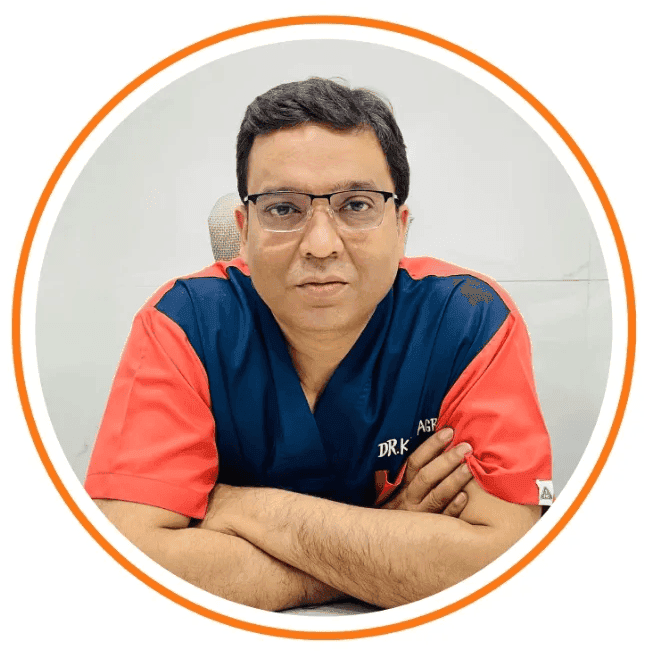
Dr. Kapil Agrawal
Senior Consultant - Laparoscopic & Robotic Surgeon
Dr. Kapil Agrawal is a leading and one of the best Robotic and Laparoscopic Surgeon in Delhi, India. He has an overall experience of 23 years and has been working as a Senior Consultant Surgeon at Apollo Group of Hospitals, New Delhi, India. He is performing advanced laparoscopic and robotic surgeries for various conditions, which include Gallbladder stones, Hernia, Appendicitis, Rectal prolapse, and pseudo-pancreatic cyst.
Qualifications
- •MBBS - Institute of Medical Sciences, BHU, Varanasi
- •MS (Surgery) - Institute of Medical Sciences, BHU, Varanasi
- •MRCS (London, U.K) - Royal College of Surgeons, London